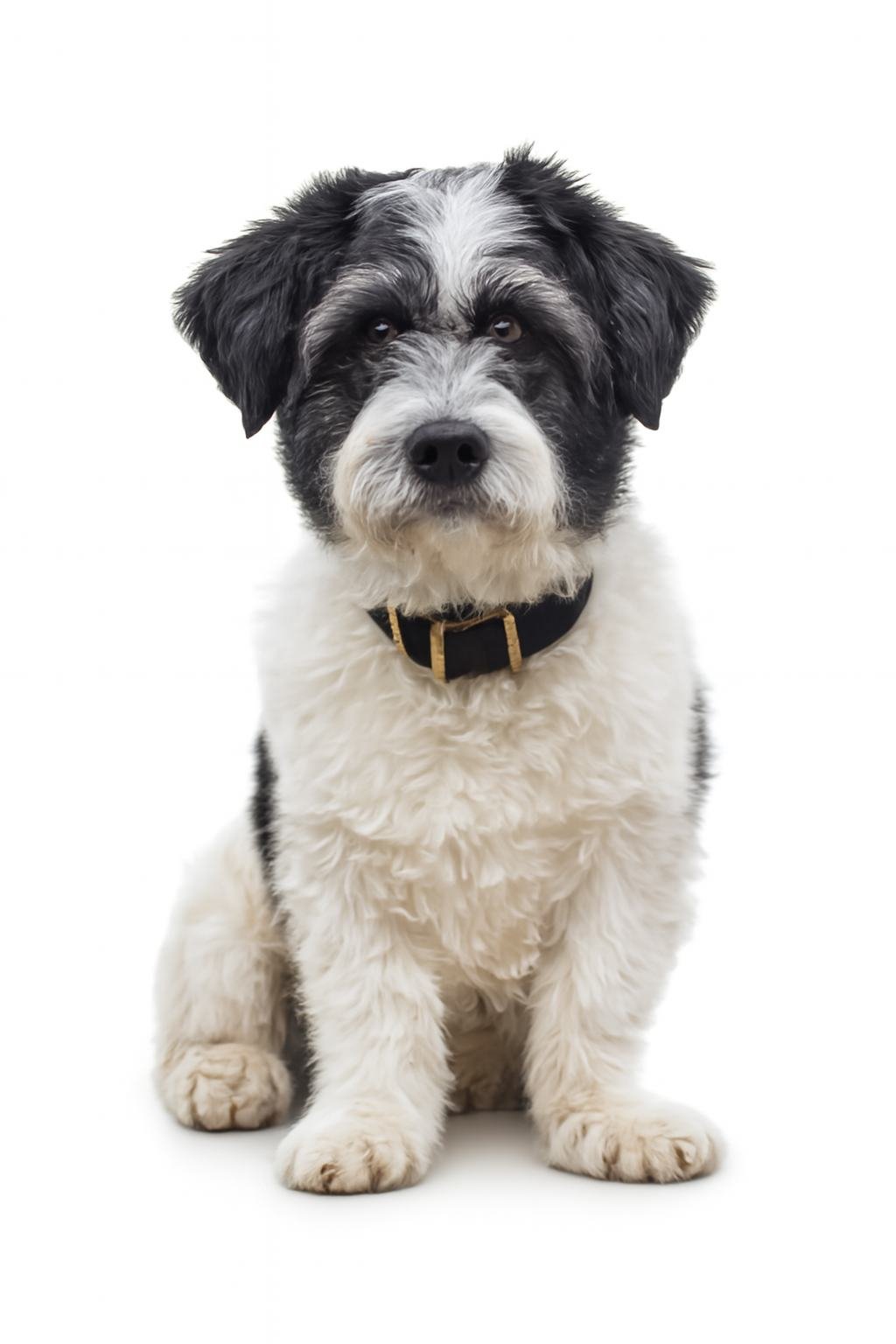
Tip! The key to this method of house training is observing your puppy’s behaviour, so you must spend lots of time with her. The other important factor is to have a regular routine for feeding.
House training dogs is probably the biggest challenge I hear about from dog owners. People ask all the time - “How do I teach my dog to go to the bathroom outside - not in my house?!”
First let’s clear up a few myths –
Your dog is not eliminating in your house to be revengeful to you! Nope - it doesn’t work that way. The reason your dog is using your house as his bathroom is simply because - he has to go to the bathroom and thinks it is OK to use your dining room rug!
If you have a puppy — you need to be aware that he/she does not yet have bladder and bowel control. Think of a child - you would not be expecting a 1 year old to be potty trained - they just don’t have the control at that stage of their lives!
The same is true with a puppy — they have to develop the control over time.
Older dogs do have the capacity for bladder control — but — if they have not been trained correctly - they are using your home as their bathroom!
If you are expecting your puppy or dog to hold their bladder for very long periods of time - then the problem is you - not your dog! Sorry to be so blunt — but dogs have to go to the bathroom just like you do!
I have had an incident here and there that has kept me away from my house for 12 hours. I am happy to say that my dog did hold his bladder all that time — but — as I was coming home - I knew if he had an accident in my house - it would have totally been my fault - not his!
Tip! The best way to house train a puppy or dog, or to re-house train a problem dog, is to make yourself aware of the dog’s habits and needs. Creating a healthy, safe sleeping and play area for your dog, as well as a well defined toilet area, is important for any house training program.
I totally believe the only way to house break a dog is by crate training. Dogs are not dirty animals - they do not want to lie or sit near the area where they have gone to the bathroom. Using a crate - is creating a “den” for the dog - dogs will not use their “den” as their bathroom.
Some people think that crate training is cruel but actually many dogs like dens - so to the dog, the crate becomes their den - the area in the house that is their spot - their den.
Let’s start with puppies - Puppies are babies - they need lots of attention and they also need periods of sleep.
Tip! As stated, house training takes time and commitment. It may be wise to keep a log of your activities to help establish a routine for your puppy.
Get a crate for your puppy that is appropriate for their size. If you have this tiny tea cup poodle and you put them into a 12 foot crate — they will go to one end of it and relieve themselves and go stay on the other end. Keep in my mind that your puppy will grow — and they do grow fast!
Puppies usually have to go to the bathroom at these times;
When they wake up - in the morning and after a nap
After they eat
After a robust play time
The more time you spend with your puppy - the more control you will have on their bathroom habits. You will start to be aware of their schedule and if you pay attention - you will see them starting to sniff around when they have to go to the bathroom.
So - in essence - at first - You are the one who is trained - you are trained on when your puppy needs to eliminate and you respond by taking them out. The more success you have in this - the more you imprint in the puppies mind that outside is where they go to the bathroom. When you take them out and they start to go to the bathroom - say “Go Potty” — or what ever phrase you want to use - then praise them.
Tip! You can speed up the house training process, but it is important to proceed cautiously. It will be much easier to take your time in the beginning than to have to retrain a problem dog later.
The puppy will start to connect it all — outside is for going to the bathroom — and “Go Potty” means to go.
If they have a mistake in the house - do not punish them - just clean it up. A few mistakes are normal - think of when a child is learning to go on the potty - they usually have a few mistakes before they get it 100%. When you are cleaning up the mistake - It is best to use an enzyme cleaner that is made specifically for this so that the smell does not stay in the house.
Tip! There are hundreds of books available on dog house training all of which use different techniques and routines.
When you are not home - or when you are busy and can not keep track of the puppy - keep him/her in their crate. This will prevent any accidents from happening that you are not aware of.
Do not expect a puppy to hold their bladder for hours and hours - this bladder control needs to be practiced and their holding power will increase as they get older.
Older Dogs:
The only reason it is a bit different to housebreak and older dog is because they have already developed a bad habit of using your house as their bathroom.
The absolute first thing you want to do is to make sure you have removed their bathroom scent completely from your home. If your dog has used your living room rug as a bathroom for quite some time — you may need to get rid of that rug! The least you have to do - is get under the rug - it is not good enough to treat just the rug - you need to get at the wood underneath - with a good enzyme cleaner made specifically for this.
Tip! If the dog continues to soil the den area after house training, the most likely reason is that the owner has departed the dog in the den for too long. Another reason may be that the den area is too large.
After you have gotten their scent out of your house. You want to set up a den for your dog - just like we did for puppies.
Get a crate which is appropriate for the size of your dog. Make sure they have enough room to lie down comfortably - put in a blanket and a toy. Set up the crate and leave it open — put a treat in their and they will go in to investigate. Let them go in and out while you are around so they get use to the crate and do not become afraid of it.
Never, ever, ever should this crate be used for punishment! You want your dog or puppy to be comfortable with their den - you do not want them to associate it with something bad!
**Note - if you are dog is alone for long hours everyday - you might want to try a playpen gate instead of a crate.
Older dogs have greater bladder control then puppies and can safely hold their bladder for 8-10 hours. But — at first you should only be looking for about 6 hours - as you are teaching your dog.
If you catch your dog as they are going to the bathroom in your house - Yelling “No” loudly - very loudly — many times can stop them - if you are fast - you can then get them outside and tell them “Go Potty”
Catching them in the act — is probably the best thing that can happen — as you can make an impression on their minds right away!
After a few days - if your dog or puppy is using their “den” as their bathroom….
Here are a few suggestions;
First check the size of the crate - if they crate is too big - they are able to use one area and move away from it.
Are you keeping them confined for long periods? Remember - puppies do not yet have good bladder control. When they are young it is important to allow them to get to their bathroom area often. Even though older dogs have the capacity for longer bladder control - if they had been able to go whenever they wanted - they will need to have a readjustment period.
Tip! The next thing you need to know when dog house training is most dogs when they need the toilet will start to get restless and stat sniffing around, this is when you pick them up and take them outside, when they are really young you should take him outside at least once every hour. When you take them outside you can say things like “do the toilet” or “do your business” or whatever command you want to use for this training session.
Finally and very important — if all of they above is OK — it is very possible your dog or puppy has a bladder infection. A check up at the vet will be able to determine that.
So really it is not difficult to house train your dog — it takes some time, some patience and some understanding of your pet.
This article has been supplied courtesy of Ellie Walsh of DogTrainingTipsandTricks.com - For more Dog and Puppy Training, Tips and Articles - Visit http://DogTrainingTipsAndTricks.com/