Featured Article On Puppy Care

The Basics Of Puppy Care

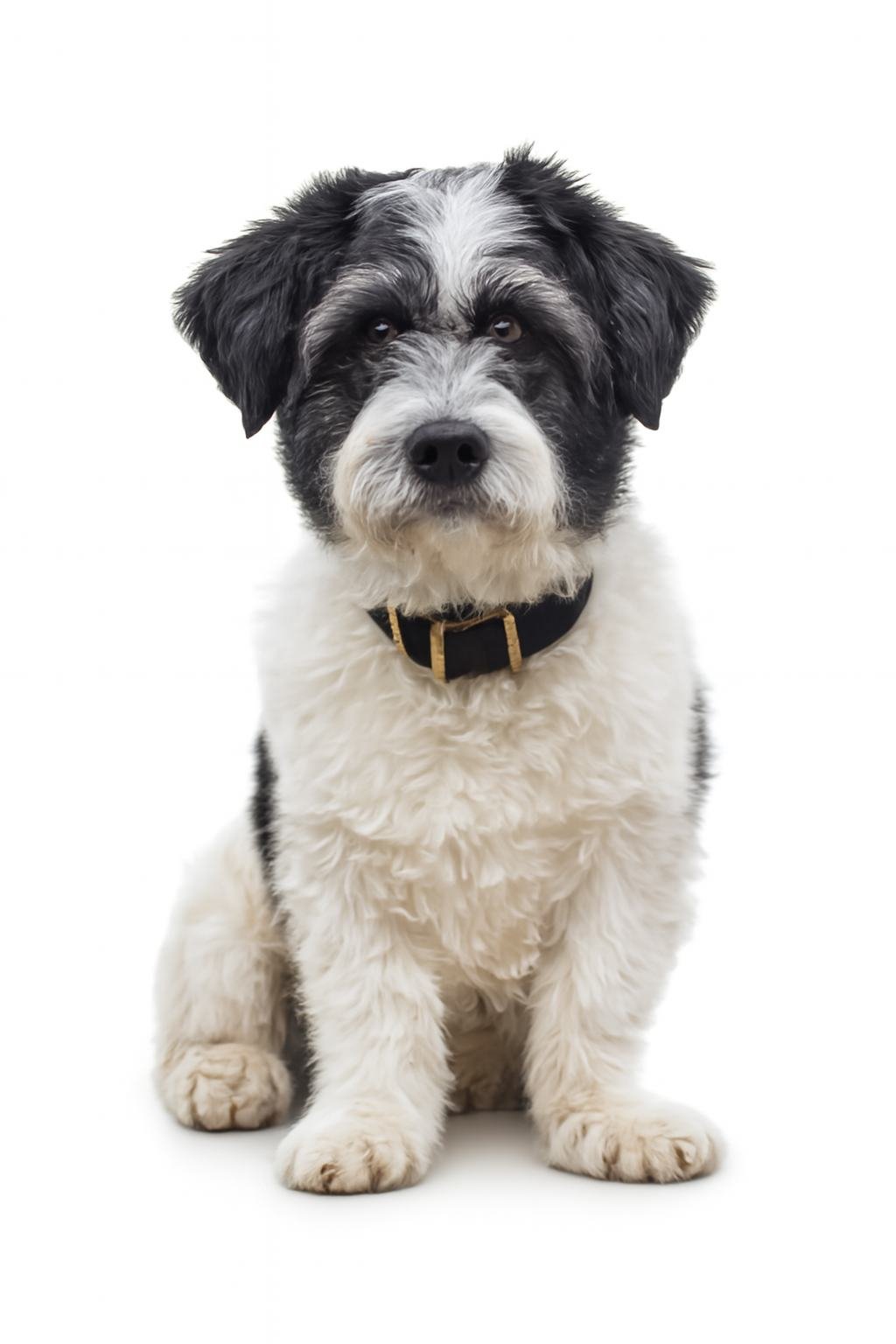
Getting a new puppy can be a great addition to the family. They are cute and cuddly and everybody loves them. Before bringing that new little furry bundle home, it is important to remember that they are only babies and will require a lot of puppy care.

In many ways puppies are just like babies. They are dependent on you for their existence. They need your help to feed them and teach them the things they need to know since they are the newest member of the family. They love attention so you should be prepared to give them lots of it. You will be rewarded, usually with a clean face.

Feeding your puppy is very important part of puppy care since he is developing bones and muscle as he grows. Feed your puppy food that is formulated for puppies and not adults. Remember that you can’t depend on your puppy to quit eating when he is full. Some will but others will eat until they get sick. Growing puppies should probably eat twice a day but do not let them “graze” all day.

A very important part of puppy care to you is the house breaking. This requires patience, and usually lots of it. Many puppies will need to go just after they eat so this is a good time to take them out. At other times they will give you some kind of sign, sometimes they sniff around, sometimes they turn around and around before they find their spot. Watching for their sign can tell you when you need to hit the door running with them in tow. They will eventually get the message but not until they have had a few accidents. The key is to not give up and don’t get mad at the puppy.

Puppy Care and Puppy Safety

Puppies and children are usually great together but it is never wise to leave small children and puppies together unsupervised. Puppies could get hurt and children could get bit. It is also very important that your new puppy gets all of his shots. Shots are a necessary part of puppy care and will help keep you both healthy. Along with shots comes the check for worms, which is something most puppies get but fortunately it is easily treated.

As your new puppy grows you will need to discuss with your vet the best option for flea protection and also heart worm protection. Heart worms are deadly and treatment is expensive and dangerous for the dog.

Puppies grow up to be dogs and many times the care they received as a puppy will determine the temperament they have when they are adults.

Permalink Print

July 23, 2007

House Training For Your Golden Retriever

Tip! If the dog continues to soil the den area after house training, the most likely reason is that the owner has departed the dog in the den for too long. Another reason may be that the den area is too large.

When you begin house breaking your golden retriever, you should follow a strict routine. Before your pet is properly trained, it’s very important that your gold retriever does not spend too much time outside of it’s crate. If your pet is roaming around your home, you should watch it carefully. Don’t be upset at your pet if it relieves itself in an unwanted area. Your pet is your responsibility!

Training your golden retriever in your home is almost like training a child. In the morning, show your dog where to go. Designate that one location for relieving him or herself. Once your pet does, praise it. Let your pet know that it has urinated or pooped in the correct place.

While your in this training process, you don’t want your pet to roam wherever it wants. Neither do you want to let it outside of it’s crate when it wants. When an accident happens too much, it could become a habit. Pet’s don’t learn from their mistakes too easily. You have act like a parent and guide your pet and avoid these accidents as much as possible. Even though your pet might not fee too comfortable going through this process, it’s important that you train your pet right so the good actions become good habits.

Tip! If the dog continues to soil the den area after house training, the most likely reason is that the owner has left the dog in the den for too long. Another reason may be that the den area is too large.

If you give him too much freedom, your golden retriever could relieve itself on the floor. This might seem like a small thing. You could always clean up the mess and expect it to not happen so easily again. However, this is a major mistake. After you clean up the urine, you might not think that there’s anything there. However, there’s a good chance that your dog could smell it. This could trigger the action of peeing. So when he smell that area, your dog may identify this as the normal area to relieve itself. Having your dog relieve itself in the right location is very important.

If possible, it would be a good idea to allow your dog a passage, such as a dog door, to go outside. If you’re training your golden retriever to relieve itself outside, you should use a litter box or a wee-wee pad at the designated location. If you don’t have a outside passage, having wee-wee pads (also known as underpads) will be sufficient in an indoor environment. These can allow your dog to easily identify where it should go incase it has to go.

The process of house breaking your golden retriever could be time consuming, as well as frustrating. It’s important that you praise your dog and follow a strict regiment. Treat him like he’s a part of the family. Once your dog is properly trained, things will be much easier. So make sure your pet is properly trained!

Charles Amith is a successful Webmaster and publisher of http://GoldenRetrieverWeb.com. Charles provides informative content on taking care of your loved pet, as well as information on house training your golden retriever.

Tip! Dog house training requires a few simple steps, but as I said but they are time consuming ones. Firstly I would recommend putting newspaper in front of the door, that way if you see him doing an accident in the house you can quickly life him there and he will realize that if he needs to go and your not there to let him he has to do it on paper.
Permalink Print

July 22, 2007

Dog Training: House Breaking A New Puppy

Tip! A wonderful thing about dogs that can make house training much easier, is that dogs are instinctively very clean animals. The majority of dogs would rather not soil the areas where they sleep and eat.

So you’ve welcomed a new puppy into your home, either as a pet for your child, or as a companion for yourself. They’re great pets, as we all know, but they also make messes in their early days. You will want to quickly get your new puppy adjusted to it’s new surroundings and most importantly, teach your him the appropriate place to do his business. It’s not always an easy task, but with a little patience, should be a piece of cake.

The first thing to remember when house breaking your new puppy is that you need to stay committed to a routine until your puppy is fully trained. House training takes patience and time.

The most successful method for training your puppy is the crate method. If you do not have a dog/puppy crate, you can cordon off a small area for your puppy where his is unable to move around. This will be your puppy’s sleeping area. Dogs do not soil their sleep area, so keeping your puppy in this area, will help establish this area as a no go zone.

If your puppy does not go in this area, you then move him/her to the appropriate area for eliminating waste at an appropriate time. You should not leave a puppy in its crate/sleep area for an extended period of time, as a puppy does not have a large capacity for waste to begin with. So semi-frequent breaks are required. Each hour if possible.

Tip! The best house training uses the dogs own instincts to avoid soiling its bed to train the dog where and where not to eliminate. That is the basis behind crate training, in which the dog is confined to its crate in the absence of the owner, and den training, in which the dog is confined to a small area of the home.

Once you have taken your puppy to it’s appropriate area, wait to see if he/she goes. If the puppy does go, be sure to offer up praise, as positive reinforcement will help establish that the puppy has done the right thing (negative reinforcement with a strong “No!” can be used when the puppy goes in the wrong place). If the puppy does not relieve itself after a sufficient length of time, take him/her back to it’s crate/sleep area.

At night it is best not to feed your puppy after a certain time and to be sure your pup has been taken to relieve itself before you call it a night.

As stated, house training takes time and commitment. It may be wise to keep a log of your activities to help establish a routine for your puppy. Keeping a routine feeding time, with time for relieving itself immediately after, can help greatly with a young puppy, as it can help develop a solid route for relieving itself.

Tip! To start your dog house training, the first thing you’ll need to do is buy your best pet friend a nice dog training collar, lead and dog crate. You should choose one made of nylon or soft leather.

If you stay consistent with your puppy, the training process can go by fairly quick and your puppy will develop the awareness needed to go on his/her own before long. You will no longer need to worry about messes in your home and will be able to move in to more advanced training of your puppy, as well as to enjoy your great new pet to the fullest. They truly are man’s best friend and with a little patience you will experience this to the fullest extent as you and your puppy grow along together.

Michael Russell

Your Independent guide to Dog Training

Permalink Print
Made with WordPress and Semiologic • Electric Kubrick skin by Denis de Bernardy