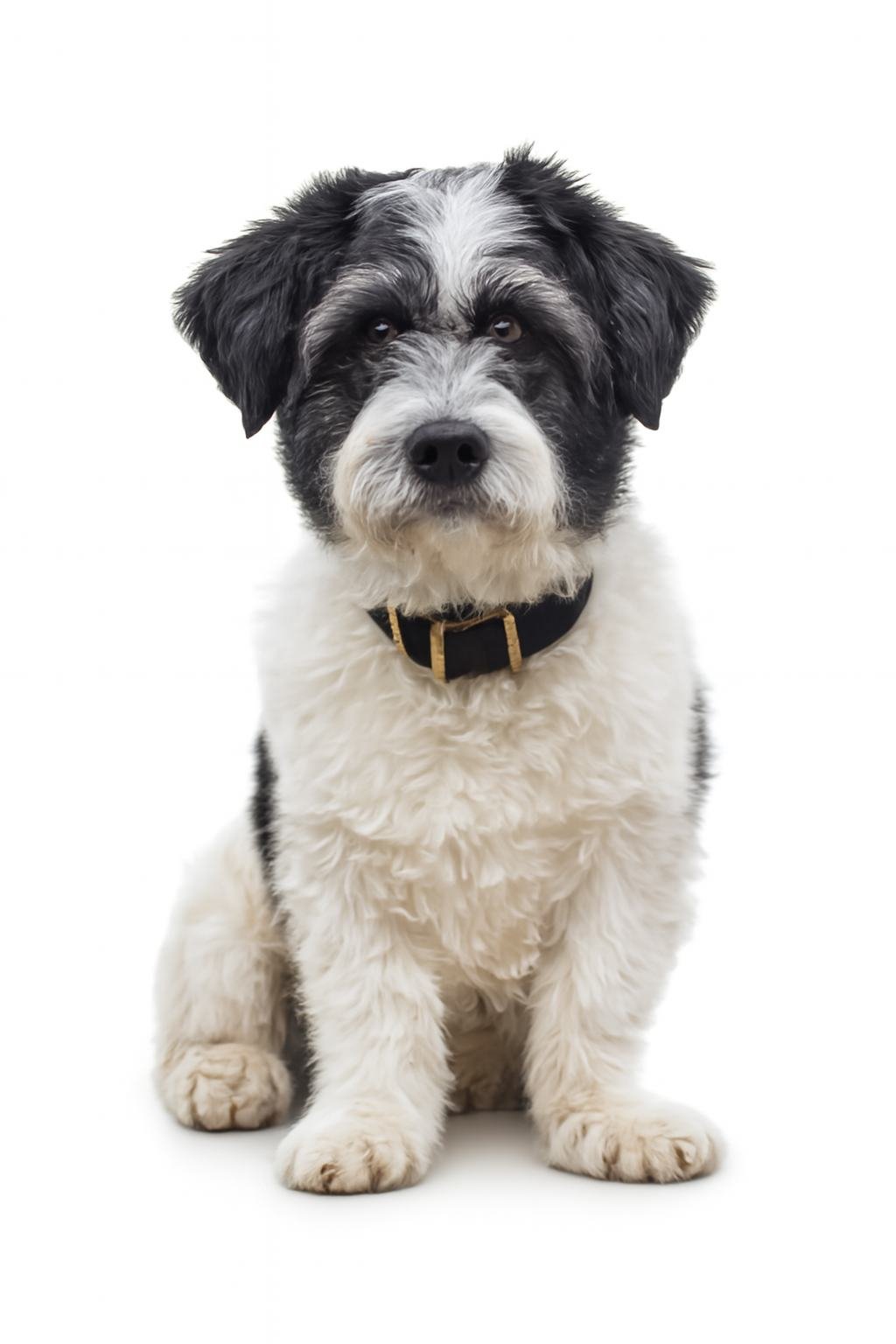
Tip! A handy tip for new puppy owners, never leave a bowl of food out for puppy. What is not eaten in 5 minutes should be emptied from the bowl and stored for later.
Whether you are buying an expensive purebred puppy, bringing a homeless puppy home from the shelter, or picking up an abandoned stray, one thing is for sure - your life will never be the same. And the best way to have a successful life with the new family member is to know what to do by the time you bring it home. Most puppies end up in shelter or on streets due to very little training or improper techniques by their new owners, so by knowing what to expect will save you both a lot of heartache.
Breed characteristics
Each breed is their “own dog”, if you know what I mean. A breed of a dog has certain things they like to do more than other breeds. An owner can carry a little Pomeranian puppy around for days on end with them being totally 100% content, while a Dachshund has things and places to go, most of the time - and usually in a speed-demon hurry. So before you rush out and buy any ol’ puppy, think seriously about what kind you will want and the life you lead. What are your limitations and what do you have in mind as a pet? By rushing in heedlessly on a whim, you are harming the puppy as it will be corrected unnecessarily for doing what is natural for them, and emotionally abused due to ignorance about the breed characteristics and their needs. The only loser here will be the small puppy that grows up in less than a quality home, ending up in a shelter or passed from home to home until eventually they will be euthanized or worse. That is a far cry from the cute little puppy the original owner brought home.
Tip! A real challenge for any new puppy owner is house training. The best way to begin this process is to confine your puppy to a very small area of the house at first, or perhaps purchase a crate.
The Trip Home
Whether the trip home is from the kennel that raised the puppy or the airline that brought the puppy to you - the empty nest syndrome is reversed here, as the puppy has left it’s mother and siblings, entering a strange and foreign home that is new to it. This can be traumatic if the puppy has left too early. Puppies should never leave before eight weeks of age, as they require that full time for socialization and to become aware of its surroundings. A puppy that is ready to leave should not be afraid of new things, or new surroundings. They should be ready to embrace their new world with happiness and glee, and most are. But some are not - if you are untrained to handle that shy little puppy who is afraid of this new world, while lacking in the “kind n’ gentle” human elements - there will be problems here. Make sure you talk to the breeder beforehand and find out about the puppy’s characteristics before it comes home with you, so there will not be a big surprise.
Tip! There’s no reason a new puppy owner has to go it alone. If you have a couple of friends with dogs – ask the one whose dog is a pleasure to be around.
If you pick up the puppy from the airport, make sure you find out whether you are going to cargo or to the desk from the breeder who has arranged the shipping. Also, you need to get there about 20 to 30 minutes early, so they know you are there. Bring ID with you, and an airbill number with the flight information. The puppy will arrive in a crate that is usually for you to keep, usually filled with shredded paper to absorb urine and feces on the flight. They will be air anywhere from four to fourteen hours, depending on the locations shipping from and to.
Most airlines require food and water to be given to the puppy after so many hours, depending on the age of the puppy and how big it is. But the best thing is to offer water if you can right away. Hopefully, the puppy will be fairly clean when they arrive, but many are covered with feces and urine that require an instant bath upon arriving. This crate has been their home for several hours, and they may not want to leave it when they arrive - or they will rush out in a 100-yard dash the minute the door is open. Some puppies will cover you with kisses while others may be slightly traumatized by the flight, being timid for several days until they adjust to their new surroundings. It all depends on the breed, their personal handling by the breeder, and its temperament.
Tip! Most puppies end up in shelter or on streets due to very little training or improper techniques by their new owners, so by knowing what to expect will save you both a lot of heartache.
The Food Change Diet
Probably the hardest thing on a puppy entering a new home is the change in diet. At about four to six weeks of age, the puppy has gone from mother’s milk to a diet of dry puppy food. There is a lot of difference with the nutrients of puppy food and adult food, as the protein and fat is quite a bit higher in the puppy for newly forming bones. Most breeders recommend that puppies stay on a puppy food diet until they are about one year of age, unless your vet says otherwise for health issues.
Before the puppy arrives, find out from the breeder with brand and type of dog food the puppy is eating. See if you can find that same type of food for it at least two weeks after arriving. If you do not like this type of dog food, at that time you can begin mixing your choice of dog food 50% original food with 50% of the new one for about one week, then take that mix and remix it again with 50% of the new food. Keep going about a month, and there will not be any gastrointestinal issues, such as uncontrollable loose stools or diarrhea that will develop by rushing them into a new food. Puppies are small, and their stomachs and intestines are very sensitive. Lamb and rice is the easiest on any puppies digestive system, with chicken and rice next - and it won’t matter whether it is canned or dry at the beginning of their arrival, but canned is 90% water so the dry will be more nutritious.
Their Own Toys And Blankets
Some breeders send toys and a blanket that smells of their previous home and siblings, to make the transition easy on the puppy. It keeps their homesickness down to a minimum, and if not - add a stuffed toy to the collection that will mimic their siblings or mother.
New Puppy Owner Join the Pro Plan Pet Community - blogs, photos, information & more.
Lots of people let the puppy sleep with them when they first arrive, and if this is what you are going to do for its whole life - then this is fine. But if is only a temporary thing to console it, letting it sleep in its cleaned out crate or a small kennel during the night is the best thing to do. It will need to recognize its “space” as this will be its home when you are gone, during naptime, or sleeping at night for its remaining life with you. It will not be abusive or mean to do this, but teaching correct behavior at a perfect age. Original canines were born and grew up in a small den underground or in the side of a hill, and have kept this basic instinct to this day for a small and secure nesting area. This is why you will find them asleep under the couch or chair, in corners, and when they get ready to pass over they usually crawl off in a hidden small-secluded area to do so.
New Puppy Enjoy Savings & Selection On new puppy.
Greetings Of The Family
Everyone wants to see the new puppy - they want to hold it and love it the minute they arrive. Little do they know that with leaving their family, the airline flight or a vehicle trip, new surroundings, they can get easily stressed without a rush of people coming at them. Introduce them slowly and easily to people and pets, gently handling them and talking until the are running around their new home - turning corners on two feet. Use a lot of eye contact with gentle voices, offering as much water and feed as they can consume. Usually they don’t want it while in flight or in route via vehicle, so when they begin to calm down, it may occur to them they are thirsty or hungry. If they refuse to eat by the second day, mix some of the dry with canned to entice them. If still not working, boiled chicken and some fresh broth poured on the dry always works. Animals go by smell to eat, and fresh boiled chicken has a smell they usually cannot refuse.
Last Minute Situations
If you have any problems that develop as time goes on, you should have the type of breeder you can contact freely for help. Make sure you have their email or phone number, and ask them for any type of support before you take the puppy home. If you need other support, your local vet or hundreds of online support is available. The Pet Professor is excellent, or you can go to the specific breed searches for support. It takes about two weeks for a new puppy to become fully adjusted to the home. Loose stools due to some stress, urinating in different areas as they don’t know where to go, or becoming too tired will all be handled over time with lots of love and patience.