The True Cost of Pet Parenthood: 2026 Price & Planning Guide
Share Now
latest Post
Furry companions can be a lot of fun and a great help in your life, but they come with a commitment to a lifelong expense. The rising price of routine veterinary care, medical supplies, and pet food keeps going up, as central economic indicators change.
Professional veterinary services jumped 5.3%, and pet food and treats increased 1.4% year-over-year, according to data from the Bureau of Labor Statistics (BLS). This detailed financial guide from the American Pet Products Association (APPA), Rover, and the ASPCA provides parents-to-be with real lifetime costs of owning a dog or cat that they can use to budget effectively.
1. Food, Nutrition, and Treat Inflation

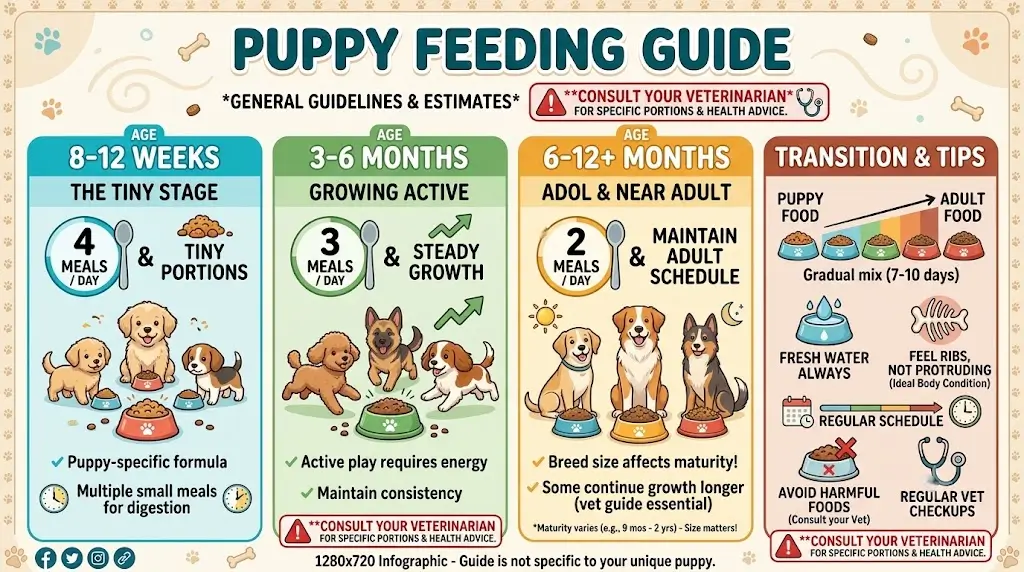
One of the highest monthly costs for pet parents is providing their pets with proper nutrition. Overall spending on pet food is one of the fastest-growing areas of the pet care market, according to the APPA. Investing in a balanced diet not only supports long-term health but can also help reduce behaviour changes caused by poor diet, such as irritability, low energy, or difficulty concentrating during training.
- Adult Dogs: Normal nutritional requirements are $655 – $1,905 per year, increasing with the breed size.
- Kittens / Adult Cats: Standard feeding is $240 to $1,980 annually, with a significant amount of this being due to specialty food that is used for the cat’s prescription diet and the volume of wet foods.
- The Treat Surge: The cost of the treats for training and enrichment is an additional $50-$730 per year. I’m honest; market reports have revealed that pet parents are willing to pay a lot to prevent major dental health problems in the future by buying more dental chews and premium dental functional treats.
2. Escalating Veterinary and Medical Expenses
The number one expense of a pet parent is always medical expenses. Veterinary clinics have seen an increase in their overheads, and simple and emergency veterinary treatment is costing more than in previous years.
- Frequent Exams: routine physical checkup for a dog is $62, and for a cat, it will range from $65-$89. This is a baseline, not including any vaccine, blood, or parasite tests, which may be required annually.
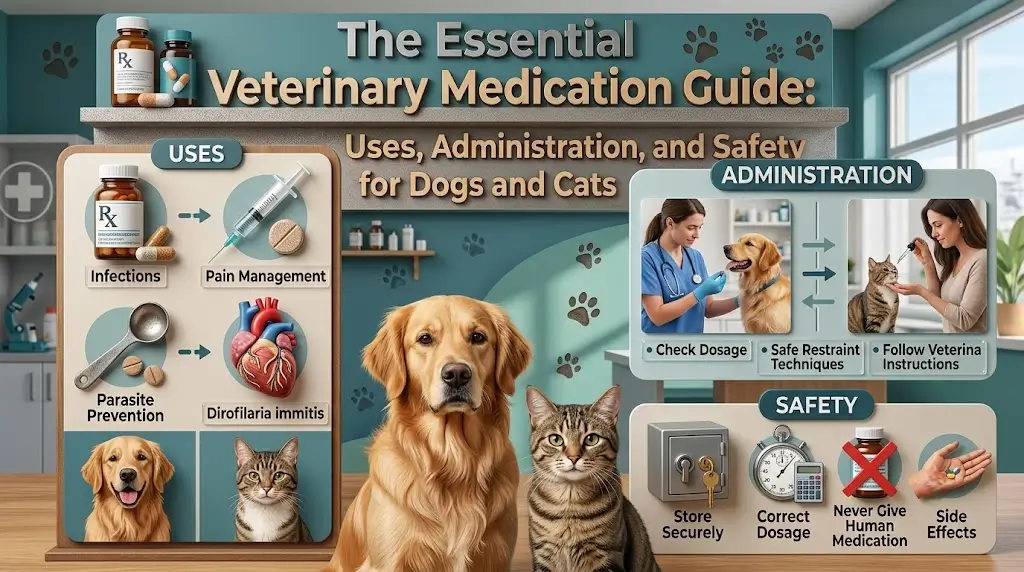
- Preventive Therapeutics: $120 to $420 annually for flea, tick, and heartworm prevention tablets/pipettes for dogs and $85 to $390 annually for older cats.
The Emergency Care Gap
The ASPCA recently released a disturbing report that reveals a serious flaw in pet care today: six out of ten pet owners don’t believe that they would have enough cash on hand to cover a sudden pet emergency medical expense. Private pet insurance policies are used to offset the cost of unexpected surgeries or hospitalization for many pet parents. In The Puppy Care, we always recommend that the options be evaluated in advance. The standard insurance plan profile is approximately $46/month for dogs and $23/month for cats and $66/month for dogs and $34/month for cats.
3. Understanding Your Professional Dog Training Cost
Dog training may be viewed as an investment in your dog’s health and sanity. The price is not the same, however, depending on your dog’s age and specific behaviors your dog will need to learn.
Setting a Realistic Budget for Puppy Training Cost
When you are deciding on a puppy plan, it should be one of your first costs to be your introduction cost. Setting a baseline (2-6 months old) for proper socialization will reduce behaviors that will become problematic later in life.
The average group course costs $150 to $250, depending on the market averages, for a course of 4-6 weeks. If you decide to have it taken care of at home during this puppy stage, you can look forward to paying between $50 and $120 per hour.
Setting a Realistic Budget for Puppy Training Cost
A group setting is not sufficient for older dogs with more complicated behavioral problems, such as resource guarding, extreme separation anxiety, and leash reactivity. The price of private dog training is based on the very specific, personalized training plans that expert dog trainers use.
The price of one-on-one sessions is usually $100-150 per hour. For intensive rehabilitation, the board and train programs usually range from $3,000 to $4,000 and take place over two weeks. The team at The Puppy Care strongly suggests you do research on dog behavior training prices and establish a dog training budget that you can predict month after month to help you determine how much you could be looking at paying periodically.
How to Evaluate Local Dog Trainer Rates
If you’re considering other local options, be aware that the lowest option may not be the most beneficial. As long as your animal has not been trained properly, it can worsen undesirable behavior and come to cost you a great deal of money in the long run.
If you’re thinking about group dog training classes versus private dog training classes, find out what the credentials are for the dog trainer who is quoted. They should be certified by science-based professional organizations like the CPDT-KA (Certified Professional Dog Trainer-Knowledge Assessed) or IAABC (International Association of Animal Behavior Consultants), if they are of good quality, humane, and professional.
As legendary dog behavior specialist Victoria Stilwell points out:
“It’s actually very simple: Either you’re ok using methods and equipment when working with dogs that cause pain, fear, and purposeful discomfort, or you’re not.”
Superb dog trainers who are highly experienced in training dogs can charge higher rates in local dog training, but your dog will learn more quickly and effectively with their efficient learning based on techniques and evidence.
Practical Budget Strategies for Pet Parents
- Take advantage of Auto-Ship Subscriptions: Subscribe to essential food and litter regularly from online retailers for regular discounts of 5%-15%.
- Reduce long term monthly private dog training costs: At home enrichment activities such as puzzle toys, sniffing games, if you can get your dog to do it every day, and consistent repetitive training between sessions at the dog school.
- Create an Emergency Fund: If private insurance premiums are not in your monthly budget, then you should invest in an untouched savings account so that you will not be taken aback by unforeseen medical complications.
Final Words
At the end of the day, it’s a great experience to be a pet parent and a course that is accompanied by a lot of emotional satisfaction and obvious fiscal responsibility. As veterinary care and education continue to be expensive, it is even more crucial to plan; the sooner you plan, the fewer hassles you will have.
It takes little effort to keep your favorite pet happy, healthy, and comfortable at home if you follow the following steps: Make a budget for the initial items you need, know what training a dog really costs, and follow market trends. After that, go back to The Puppy Care for more professional breakdowns as well as behavioral assistance.
FAQ's
Will a two-week board and train program pay off for high investment?
For professional conditioning, yes, but if the dog is going to be successful in the future, it will be dependent upon how consistent you are once he/she is home.
What are some hidden costs of dog training packages?
Be aware of trainers’ travel expenses, required equipment such as specific harnesses, and the ongoing expense of costly treats.
What is the impact of the veterinary inflation rate on pet insurance decision-making?
The increased price of clinics has made pet insurance cost-effective to cover the unpredictable expenses of many thousand dollars.
What is the “gap” in emergency care for humanized pets?
It is the lack of quick cash savings that most pet owners must face and deal within the event of an unexpected veterinary medical crisis.
Is subscription auto-ship really a good way to save pet food over time?
Yes. The top online pet retailers provide automatic 15% to 5% off on repeat purchases and will save you from on-the-spot price rises when you shop locally.