Dangerous Foods for Pets: The Ultimate Household Safety Guide
Share Now
latest Post
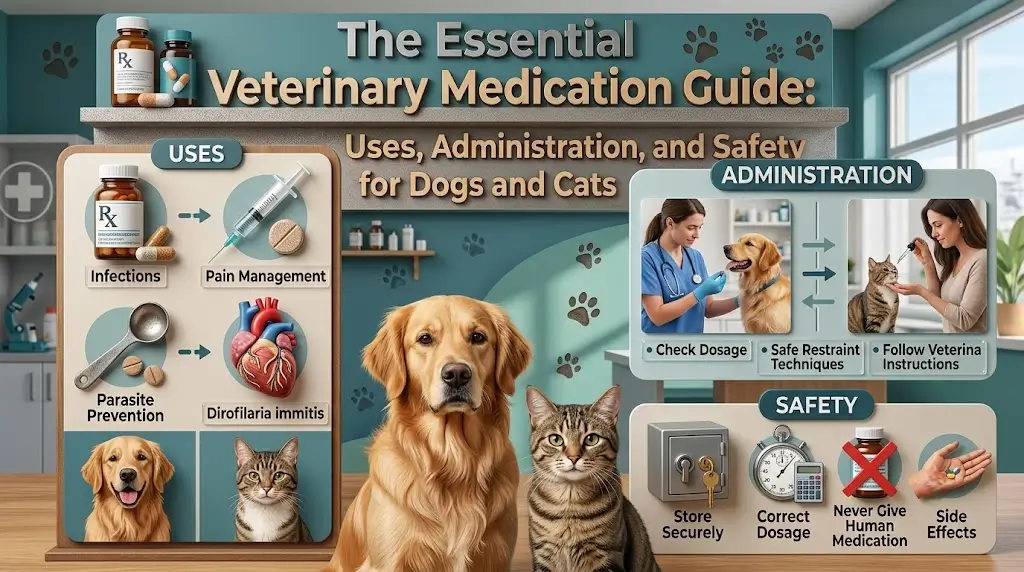
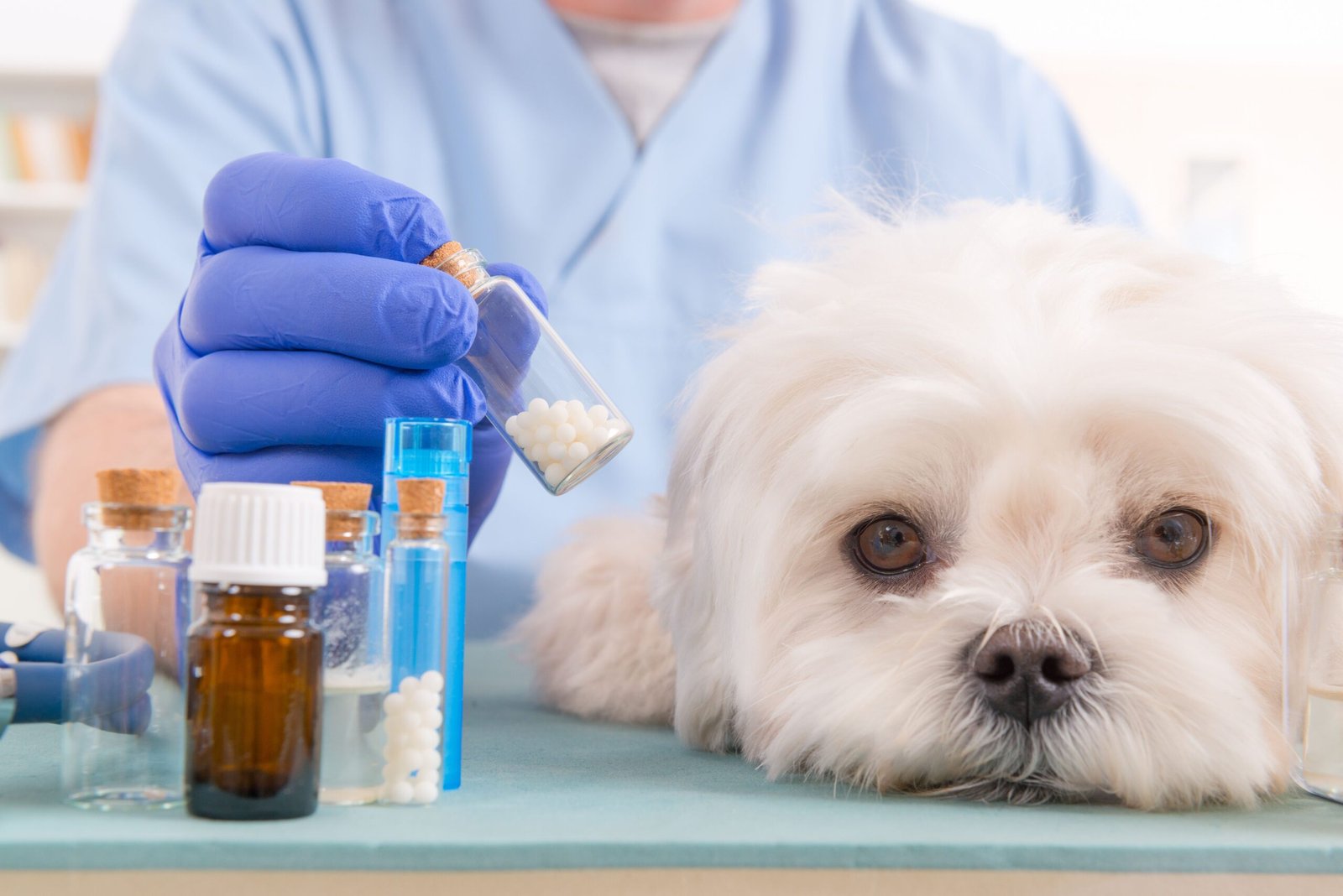
If living with cats and dogs, they should not be exposed to any leftovers in the kitchen, nor to house plants. This is because animals metabolize compounds in a different way from humans, so what is beneficial to the animals may be extremely harmful to humans. When keeping pets in the home, you need to take precautions to stay safe. The Puppy Care has created this list of puppy care items to help you!
Human foods are dangerous for pets
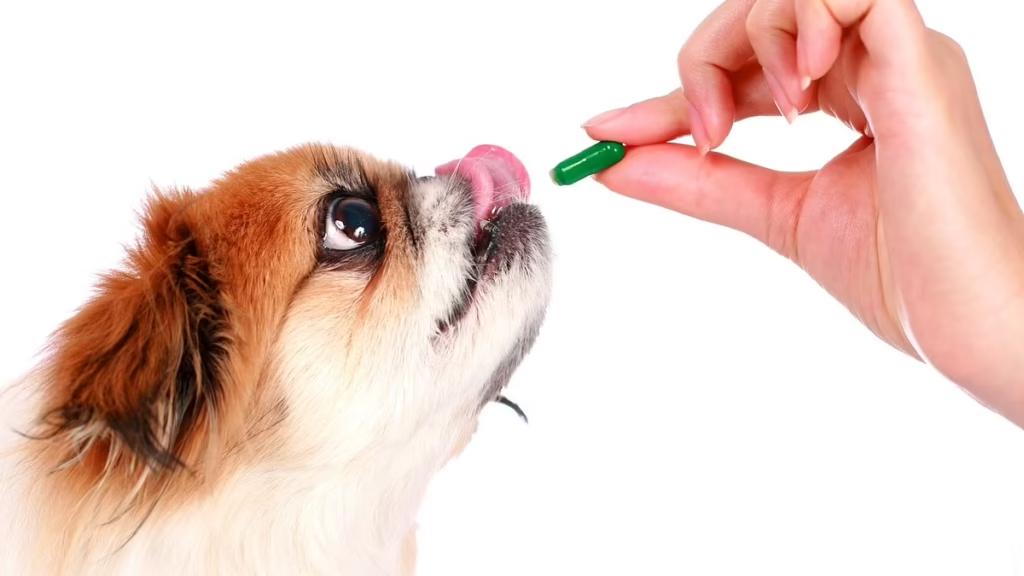
The most toxic are these items require urgent veterinary care.
- The Allium Family (Onions, Garlic, Chives, Leeks): Destroy red blood cells, resulting in hemolytic anemia severe enough to be life-threatening. Cats are very sensitive to the effects of alliums. The illnesses caused are pale gums, dark urine, weakness, and vomiting, which appear after 2-5 days.
- Xylitol: A natural sweetener found in sugar-free gum, sugar-free mints, and some peanut butters, xylitol is highly toxic to dogs. Even small amounts can cause dangerously low blood sugar levels and liver failure. Avoiding foods that contain xylitol is essential when building a safe and balanced diet for your dog.
- Ingestion of tartaric acid (grapes, raisins, Tamarind & Cream of Tartar): Sudden onset of kidney failure in both cats and dogs. If you are looking for signs of vomiting and lethargy, keep an eye out for them in 6-12 hours.
- Coffee Grounds, Tea, Chocolate: One of the reasons pets are not allowed to have chocolate and caffeine is that it has stimulants, which cause them to have a faster heart rate, extreme muscle tremors, and can cause seizures.
- Macadamia Nuts: create acute neurological problems, such as temporary hind-limb paralysis, and great weakness in dogs.
Unique Feline Hazards: Foods Dangerous to Cats
- Tuna (In Excess): Can cause a serious lack of nutrients (taurine), which can result in painful fat tissue inflammation (steatitis)
- Raw liver: Excessive feeding results in Vitamin A toxicity, the liver will be raw, and will cause deformities of the bones at the spine and joints, which will be painful.
- Milk & Dairy: Most dogs and cats, as adults, are lactose intolerant. Dairy leads to very painful stomach cramps, gas, and diarrhea.
Common toxic foods for pets: Pantry and Trash Hazards
Keep these common toxic foods for pets safely locked away from curious jaws:
- Alcohol: Slows people down, making them unsteady, breathing faster, slower, or even stopping, or dying.
- Raw Dough: This is because the yeast in the dough will be expanded in the stomach, which will result in painful bloating. The dangerous amount of alcohol in the bloodstream is due to fermentation.
- Bones & Rawhides: Bones, when cooked, break up and tear the throat or stomach. They both cause deadly intestinal tract obstructions.
- Fatty food: Inflammatory pancreatitis, a sudden episode of inflammation of the pancreas, is very common in schnauzers and poodles, and is a condition that can be caused by fatty foods, trimmings, grease, and greasy leftovers.
- Citrus Fruits: Citrus peel and oils are toxic and cause violent vomiting, diarrhea, and skin irritation.
- Raw Meat & Eggs: Both Salmonella and E. coli are a threat. Raw eggs inhibit biotin absorption, and raw fish reduces the length of the very important Vitamin B1.
- Moldy food: The mold produces tremorgenic mycotoxins, which cause spasms in the muscles and in the entire body. All compost and garbage containers must be locked. We strongly recommend that all our members follow this rule at ThePuppyCare.
Botanical Dangers: Toxic Houseplants and Flowers
The Lily Family is a feline crisis
Veterinarians’ toxicologists have confirmed that cats are susceptible to acute renal failure from eating the leaves of the Easter lily, Tiger lily, and Star-gazer lily. All parts of the plant, including the leaves, petals, pollen, and water in the vase, are poisonous. Eating a leaf may prove to be fatal.
Other Dangerous Plants to Avoid
- Landscape Toxins: Highly toxic Castor Bean, Heartstringer Mistletoe, Foxglove, Oleander, and Azaleas have a toxic effect on the heartbeat and ultimately result in cardiovascular collapse.
- Spring Bulbs: Daffodils, Tulips, Amaryllis, Hyacinths: Convulsions, low blood pressure, and extreme gastrointestinal upset.
- Indoor plants: Philodendron, Dieffenbachia, Snake Plants, Schefflera, Croton, Ficus, Aloe Vera, and Jade will cause the mouth to burn, excessive drooling, vomiting, and diarrhea.
- Safe Choices: Boston Ferns and African Violets are completely non-toxic to cats and dogs.
Emergency Action Plan: What to Do in a Toxin Crisis
- Confine the area: Keep the animal out of the area and wipe the area from the animal’s mouth and move the animal to a safe place; remove the toxin from the animal’s mouth of the animal.
- Collect Data: Record what they eat, the amount, and the time. Retain the packaging for the product.
- Call for Help Now: If you can’t get in touch with your veterinarian immediately, use your emergency telephone number for medical emergency assistance (24 hours). Here are some of the other Emergency checklists that you should bookmark as a reference on ThePuppyCare.
- Pet Poison Helpline: 855-764-7661
- ASPCA Animal Poison Control: 888-426-4435
- Always follow the veterinarian’s directions: Do not induce vomiting at home. When it is not done correctly may result in death from aspiration pneumonia.
FAQ's
Why are cooked bones not good?
Bones become very brittle when they are cooked. They can chew through your pet’s throat, stomach lining, and intestine with ease and end up with small splinters of them.
What makes avocados dangerous for household pets?
The fruit itself won’t upset the stomach, but the firm, hard seed (or “pit”) represents the true syndrome of emergency; it becomes a danger of severe choking or complete bowel obstruction.
Just one Lily leaf is deadly to cats. Why?
All parts of the lily are poisonous to the kidneys when eaten and extract the kidney cells, and they are killed within hours.
What do owners get wrong when their pet is poisoned?
Making an animal regurgitate on one’s own in the household in the absence of a veterinary order. The pet may inhale the toxin into the lungs and become ill with lethal aspiration pneumonia if not performed properly.