
The Chihuahua: A Complete Guide to the World’s Tiniest Canine
Share Now
latest Post



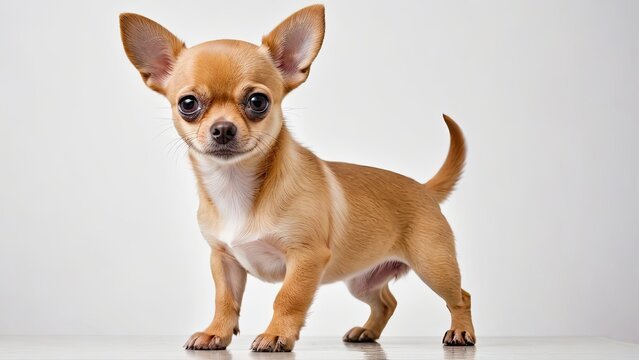
There aren’t many breeds of dog that ask for such a room as the Chihuahua. These little dogs are one of the smallest dog breeds, and on Earth, they are more than charismatic, loyal, and brave enough to make up for their size.
This breed has already been and will continue to be one of the most popular animals as pets for decades to come. You need to know and understand the individual and diversified behavior, physical needs, and health of each pet; to you, they come to find it welcoming and familiar.
Puppy education is the foundation of pet welfare at The Puppy Care, and we believe that having accurate information and using it wisely is the first step toward responsible pet ownership. Whether you’re a first-time owner or a longtime dog lover, this comprehensive breed guide serves as a full checklist before bringing a Chihuahua home, helping you create the right environment and provide the best possible care for your new companion.
Ancient Roots: Where Did the Chihuahua Come From?
As interesting as the dog is, the rich ancestry of the chihuahua is. The ancestors of the breed date back much further, but at the end of the 19th century, a patron album was created in the Mexican state of Chihuahua, and this led to the breed’s official name.
Connecting the genealogy of these dogs with historical records suggests they are the descendants of the ancient Toltecs’ favorite small, quiet, and silent companion, the Techichi, dating back to at least the 9th century AD. The Aztecs later conquered this and absorbed the Techichi into their own culture, giving it a huge spiritual meaning, the little dogs.
It was in 1904 that the American Kennel Club (AKC) officially registered its first dog of the breed, making the path it took to becoming a global pop culture icon and a favorite among pets.
Physical Characteristics: Apple Heads vs. Deer Heads
The breed standard should be interpreted to mean compact, balanced, and graceful in appearance, and the chihuahua should not exceed 6 lbs. when viewed from the chihuahua’s perspective. But pet partners may be a bit out of the show ring.
It is the breed’s special characteristic of being divided into two different skull shapes, each having a different aesthetic appearance:
- Apple-Head: This is the only type of conformation silhouette that is allowed in the official AKC show ring. It has a short, set-off snout, which is bent almost 90° over to the forehead, and large, bright eyes.
- Deer-Head: This canine has a longer face, which is angular, and has a longer snout similar to that of a young deer. They are, in general, heavier-boned and have longer legs and larger ears than appleheads.
Coat Varieties and Grooming Demands
A breed with two types of coat as well. Luckily, it’s easier to keep their coats than those of many of the other breeds that require continuous grooming.
- Smooth-Coat (Short Hair): Has a tight, soft, smooth, and shiny fleece. Brushing and occasional bathing are all they need, and they have minimal shedding.
- Long-Coat (Long Hair): Has a smooth or slightly rippled surface and exquisite feathering on legs (“pants”), tail, and ears. May need 2-3 times of brushing a week to ward off matting and tangling
Big Personality: Understanding Temperament
Chihuahua’s most distinguishing characteristic is their ‘terrier-like’ attitude. Very alert, confident, and self-reliant dogs often appear to be ten times their size.
They can be very protective and may be naturally wary of strangers but have a very strong attachment and love bond with one or two main members of the family. This wariness can be expressed in the form of excessive barking and/or defensive reactivity if not addressed proactively and early.
A note about family dynamics: They don’t have very sturdy bones and are a bit too small to be a good match with very young children and/or large, rambunctious pets. The trauma that can result from rough handling or accidentally stepping is easily preventable.
Essential Health and Care Guidelines
The smaller dogs have an extremely high rate of metabolism compared to their size, and thus require very different needs in terms of health.
1. Combating Periodontal Disease
The breed is very susceptible to crowding, and the majority of dogs have some form of this. Because of the architectural tightness, plaque and tartar build-up occur quickly, and so it is important to brush your teeth every day and allow your dentist to give you routine instrument cleaning.
2. Managing Patellar Luxation
It is a structural problem, which may develop due to a congenital (passed on from parents) defect in which the kneecap may slip out of the normal anatomical groove. A nourishing diet leads to a healthy body, which in its turn will create healthy cartilage and decrease stress on the weak joint.
3. Preventing Hypoglycemia
Puppies and very active adults can have a risk of getting ‘low blood sugars’ (hypoglycemia). They are more likely to have a more even blood sugar level throughout the day when they eat a variety of small meals, each high in nutrients.
Breed Overview
Attribute | Breed Specification | Care Priority |
Weight Range | 2 to 6 pounds (Standard) | Strict weight management to protect joints. |
Average Lifespan | 14 to 20 years | One of the longest-living canine breeds. |
Energy Level | Moderately High | Requires daily mental stimulation and indoor play. |
Cold Tolerance | Extremely Low | Needs sweaters or jackets due to rapid heat loss. |
In sum, a well-cared-for Chihuahua with a structured routine and a warm, loving home can enjoy a happy and healthy life for many years. To learn what to feed your little companion, how to train them, why microchipping your Chihuahua is essential, and how to work with your veterinarian to keep your pet safe, explore The Puppy Care’s extensive library of expert advice.
FAQ's
Dogs live for how many years?
Their lifespan is very long, typically 14–20 years and with proper care, using good food and regular veterinary check-ups.
What kind and how much exercise do they require?
Not a lot. They are content to be around for a short time, just a twenty-minute walk is sufficient, or playing in the house is sufficient.
Do they have a difficult time with toilet training?
Yes, their tummies can be difficult to train as they are really quite small. They need to be taken out regularly and must be patient.
What is the soft spot where puppies’ heads?
It’s a small, open area that has a head, like that of human babies. It typically seals as they become older.
What makes them have dental issues?
They have such a small mouth that they do not have room for all of their teeth. This will trap food and result in frequent brushing of their teeth.