The Professional Guide to 4th of July Food Safety for Pets
Share Now
latest Post
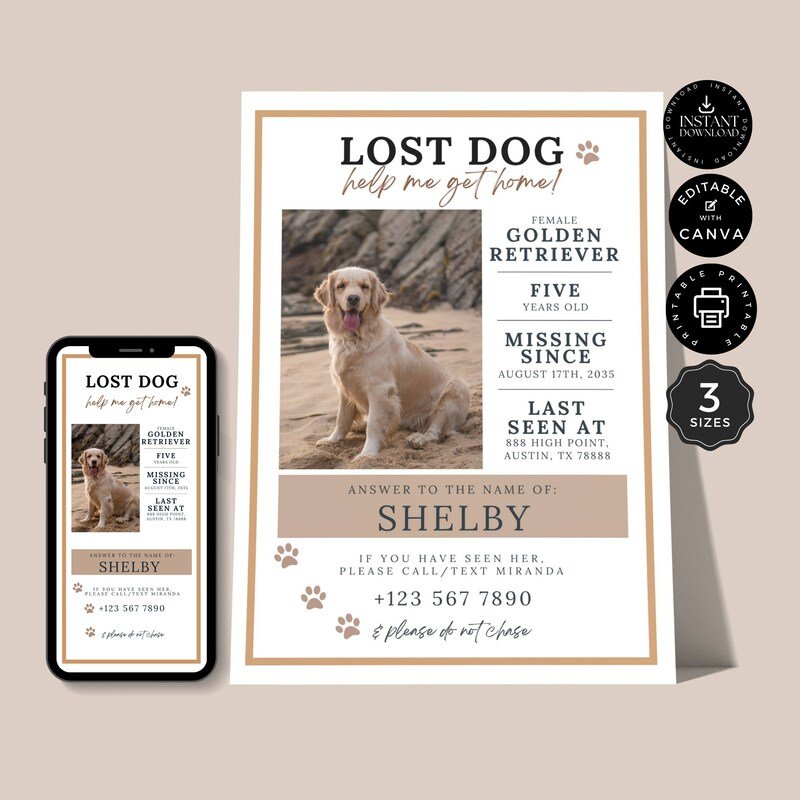
Missing Dog Flyer: The Ultimate Guide to Bringing Your Pup Home Fast
June 8, 2026
No Comments
Read More »
Pet safe picnic foods for the 4th of July
In many ways, the 4th of July is the highlight of the summer with city parades, barbecues, and parties. For veterinarians and pet parents, it may very well be the most perilous for pets. To veterinarians and the pets’ parents, it could be the most dangerous summer for pets.
The food and drink we enjoy on a hot July evening is appealing to us from a physical and a taste perspective, but for our pets, the effect of many of the same foods can be fatal. This holiday safety masterclass will explain the hazards, chemistry of some toxins, and steps to ensure your home is holiday safe.
Picking Out the Foods Dangerous for Dogs on the 4th of July
The major problem during the holidays is the array of snacks. When thinking of dangerous foods for dogs on the 4th of July, it’s important to expand our horizons. While it’s well known that dogs should avoid the BBQ, some dogs may be left to try out the “snack table”.
The Allium Family Threat
Salad or helpings of potato chips may contain chives, onions, and garlic, or be on hamburgers. The red blood cells will be destroyed due to oxidation, and hemolytic anemia will develop. The flavor of the canned onions in the rub may be unpleasant. And the nuts used in the cookie treats can cause the dogs to collapse, vomit, and develop an elevated temperature.
Barbecues, Gardens: Wagging Tails
Perhaps one of the most common questions veterinarians will be asked is: Is barbecue OK for my dog? The answer is it’s probably OK for the dog to have some barbecued – or boiled – chicken, but barbecues are more than that.
Spices and Pancreatitis
Barbecue meats are most likely to be flavored with onion, garlic, or salt; all irritants or toxins to the gut of the dog. High in fat, such as brisket, ribs, and burgers, may result in acute pancreatitis, or, in other words, the painful swelling and inflammation of the pancreas, which is excruciatingly painful and may even kill your animal.
Choking and obstruction
Another danger is corn on the cob; although the corn is not poisonous, the cob is the number one cause of intestinal obstruction, and may require surgery to remove. And cooked bones break and cause damage to the digestive tract.
Healthy and Safe: Pet Safe foods for 4th of July
You don’t have to keep your pets away from fireworks. With a few 4th of July pet-safe foods, you can keep your pets away from your guests’ dinner. Pets can have a “festival” treat of raw, crunchy vegetables, such as carrots and green beans.
Very cool and refreshing blueberries and wet, seedless, and rindless watermelon are delicious with a 100+ degree July heat wave. Boiled lean unseasoned chicken is safe for most animals, and is safe grilled for most animals. Note: These are treats, and should be given under 10% of their total or daily energy need for good health.
What to do if a dog eats chocolate?
Chocolate poisoning occurs mostly during the holidays. It will make all the parents shiver if there are reports of dogs eating chocolate. The active ingredient in the chocolate, theobromine and caffeine is not metabolized by the dog’s body.
Assessing Toxicity Levels
When your dog has eaten the chocolate, you may not want to wait till your dog presents you with the symptoms. The kind of chocolate consumed, the quantity of the chocolate, and the weight of the dog. You are advised to get in touch with either a local animal poison center or your veterinarian. They may be drooling, shaking, and exhibiting varied changes in heartbeats. Your veterinarian can induce them to vomit, but it is preferred to be done by your veterinarian.
What Kills is Xylitol Toxic to Dogs
Probably the worst ingredient in the party treats is Xylitol. Let’s look at the poisonous qualities of Xylitol. Xylitol is found in “sugar-free” gum and candies, some peanut butters, and even some breads.
Xylitol doesn’t change the insulin levels in humans. But for dogs, it induces a rapid and profound release of insulin, resulting in hypoglycemia and death 30 minutes later. Over larger doses, xylitol results in acute hepatic failure. Be sure to read the labels of “diet” and “sugar-free” snacks your guests may bring into your house.
Fruit Poisons: Grapes toxic to Dogs
Although most fruits are harmless, grape (as well as raisins and currants) is a fact that is hard to be overlooked toxics to dogs. Although we’ve been investigating grapes and their toxicity for decades, research into which component is toxic continues to be hotly debated; the outcome is clear: grapes will cause acute kidney failure in dogs.
Even though some dogs don’t seem to be affected (just a few grapes), others can be severely affected (with just one or two grapes). Since there is no known “toxic” amount, ingestion of grapes or raisins at your 4th of July party should be considered an emergency.
Preparatory Action: 4th July Pet Safety Tips
Not only are the ingredients that make up the recipe important, but also to avert some of the accidents, here are a few 4th of July pet tricks:
- No Feeding: If you have guests, please do not feed my pet. You can also have a “Do Not Feed” collar tag.
- Safe Trash Cans: The garbage that we throw during holidays has bones, skewer sticks, and corn cobs. Use locking lids.
- Safe Zones: Provide an indoor environment where your pet can be without disturbance, without the food tables, and noise.
Making it to Independence Day, Food Safety, and Pets
Allowing pet owners the opportunity to get Independence Day food safety is an alcohol- and caffeine-savvy pet. Low on the table, half-filled cans of beer and cocktails are likely to be lapped up. Alcohol can cause fatal low body temperature, low blood sugar, and low blood pressure in pets. Likewise, soft drinks and energy drinks, containing the stimulant caffeine, can induce cardiac fibrillation.
Top Party Foods That are Dangerous for Pets: Sweet or Salty
In the list of dangerous party foods that pose hazards to pets, we should mention the snacks high in sodium content, such as pretzels, chips, and processed meat. Too much salt may cause injuries of the sodium ions, which causes shaken, convulsed and even fatalities.
Fermentation of Yeast and Dough
Also, don’t feed pets anything with yeast dough, as the dough ferments (creates alcohol) in the stomach and the stomach may fill with air to the point of bloat.
Clinical Steps When a Pet Ingests Unsafe Foods
In the unfortunate scenario, your pet ingests unsafe foods, it’s all about time. Record what, how much, and when the plant or food was ingested. Take the container of the food to the vet, if possible. Quick treatment is one possible reason why a seemingly straightforward outpatient treatment can either be a one-day visit or a few-day hospitalization in the intensive care unit.
Managing Potential Gastrointestinal Issues in Pets
While the food may not be “poisonous”, most often the gastrointestinal signs in pets occur because of the overeating of a particular food on a holiday. If your pet eats things out of the garbage or eats excessive treats, then diarrhea, vomiting, and abdominal pain may occur.
Monitoring Recovery
Other symptoms, such as dehydration and pancreatitis, can also result from an inappropriate diet. If your pet displays any of these warning signs, seek veterinary advice promptly to ensure proper diagnosis and treatment.
At The Puppy Care, we believe that preventive care and informed pet parenting are essential for keeping pets healthy and happy. By following safety precautions during celebrations, you can ensure that Independence Day remains enjoyable for you, your family, and your beloved companions. Be mindful while barbecuing, avoid accidental slips, and keep potentially harmful foods away from your pets.
FAQ's
Do all dogs cause danger from all grapes and raisins?
Yes, each ingestion is a crisis because there is no safe dose of any drug that is known. The levels of sensitivity differ, with even one grape triggering sudden, irreversible kidney failure in certain animals.
What is the impact of onion powder on the blood chemistry of a pet?
Onions are organic substances that release substances that damage red blood cells due to oxidation, rupturing them. This causes hemolytic anemia, whereby transport of oxygen is impaired in the pet.
What is the possible delay of time till manifestation of toxicity changes after ingestion?
Reactions to xylitol take place between 30 and 60 minutes, and other toxins require more time. It may take 24-72 hours to have signs of kidney failure due to grapes or anemia due to onions.
Which is the most effective action that can be taken on a fretful pet?
Prepare a haven consisting of a quiet and indoor room with a comfortable bed and water prior to the start of the party. This will keep the pet out of food that is dropped, and less stress will occur due to loud noises.
What is the Golden Rule to interact with pets as guests?
Make it plain to all guests not to be allowed to feed the pets on table scraps. The guests can be allowed to give their pets safe treats that are approved for pets by providing them with approved treats.