Complete Pet Nutrition Guide for Dogs and Cats
Share Now
latest Post
The Pet Guardian times are here. The dynamics between people and their tamed friends have undergone a seismic change, with the backyard moving towards the bedroom. Millennial and Gen Z pet parents have spearheaded this trend of humanisation, which has changed our perception of our pets in terms of the bowl.
The initial step to providing your four-legged family members with a long and healthy life is to keep up with all the changes in their lives. The spacious guide is an integration of the newest study and clinical guidelines form The Puppy Care to make your journey through the intricate world of contemporary pet health as effortless as possible.
Pet Nutrition News: The Rise of the Conscious Guardian
Two key trends are present in contemporary news on pet nutrition: premiumization and transparency. Modern pet owners are now scrutinizing the ingredients of the food they offer to their pets, just as inspecting the labels at their own grocery stores. According to industry experts, dog guardians are becoming enlightened about low-grade pet food and no longer love to accept it.
This has given rise to a need to have what can be termed as science-based nutrition. Veterinary nutritionists, organizations such as FEDIAF, WSAVA, and others all agree that importance be put on marketing the so-called buzzwords, rather than on the actual nutrient profile. Be it a commercial kibble diet, or a fresh-dry hybrid diet, one aims at a diet that is complete and balanced to the highest of the analytical criteria needed to suit this or that life stage of your pet.

Dog Nutrition Guide: Understanding the Foundations of Health
The first step in an effective dog nutrition program is a basic fact: dogs are not miniature humans and are not wolves per se. They have co-evolved with us to be adaptive carnivores that can digest a range of various nutrients, yet their needs for about 37 different necessary nutrients each day cannot be bargained over.
- Protein Quality: Muscle wasting is experienced by dogs in later age, which is known as sarcopenia. The quality animal proteins like veal, turkey, or eggs are the most useful ones to ensure lean mass and mobility.
- The Carb Debate: Dogs can also die on a low-carb diet. Gluconeogenesis can keep dogs alive, but complex carbohydrates such as oats and quinoa are very important in terms of fiber to the gut and maintaining even energy levels.
- Fats and Omegas: The brain food of the canine kingdom is the Omega-3 long-chain fatty acids, which are beneficial in supporting cognitive health in elderly dogs and skin health in the young dogs (puppies).
Nutritional Yeast for Cats: The 1.5% “Goldilocks Zone.”
The recent studies have shed some light on functional additives, namely, nutritional yeast, for cats. Nutritional yeast is commonly called a superfood used as a seasoning and contains a lot of B-vitamins, amino acids, and nucleotides.
In a recent experiment conducted on the British Shorthair cats, they discovered that the ideal level of yeast hydrolysate would be 1.5 percent, and so it would act as the optimum level of yeast hydrolysate in the Goldilocks Zone of Sharp and healthy cats. This increased the concentration of Immunoglobulin G (IgG) in the serum at this stage in large amounts, in turn triggering the immune system in response to the yeast.
Moreover, it minimized bowel aroma and enhanced a healthy intestinal biome. But this is risky, at higher levels, e.g., 4% of the desirable bacteria in the gut started to decline. In cats that have kidney issues, their owners should also be informed about the amount of phosphorus in the yeast that must be in relation to the amount of calcium, and must have a ratio of more than 1.
Pet Food News: Sustainability and the “Eco-Pet”
The environmental impact of feeding is taking center stage in the news of pet food in the world. Studies point out that a large proportion of greenhouse gas emissions in the world is a result of the pet food sector. This has resulted in an Effective Altruism pet care movement in which guardians identify sustainable proteins, e.g., insect-derived meals, yeast-derived proteins that have a high Amino Acid Score and a lower carbon paw-print.
Fresh Pet Feeding Guide: Balancing Nature with Safety
Pet owners have recently shifted toward more modern feeding practices. Fresh feeding, including home-cooked meals and commercially prepared refrigerated diets, has become increasingly popular. When planned correctly, these options, along with home remedies that support good nutrition, can help provide pets with a balanced and wholesome diet.
- Preparation Protocol: In case one wants to cook at home, it is essential to save cooking water from vegetables, as it has a good amount of leached minerals.
- Safety First: To destroy Salmonella and E. coli that cause health hazards to both pets and owners, meat needs to be cooked to a minimum temperature of 70 degrees C.
- Digestibility: The grains and starches consumed by the animal will have to be cooked longer than would be necessary in the human digestive tract, to allow the nutrients to be absorbed in the shorter digestive tract of the animal.
Dog Nutrition Tips: Slender Change, Sturdy Differences
A pet doesn’t need to be fed a complete diet to enhance the life of your pet. The points below are just some guidelines concerning a good dog diet that can make a difference:
- Hydration Boost: You can add a splash of water or unsalted broth to dry kibble to enhance satiety and the health of the kidneys.
- Visual Monitoring: Visual assessments alone are not to be trusted. A Body Condition Score chart is used to evaluate the ribs of your dog and ascertain whether the dog has a visible waistline or not.
- Micro-Nutrients: Add a pinch of nutritional yeast to give the dish an extra cheesy smell, but which supplies the body with a natural source of B-vitamins and no lactose, as in actual cheese.
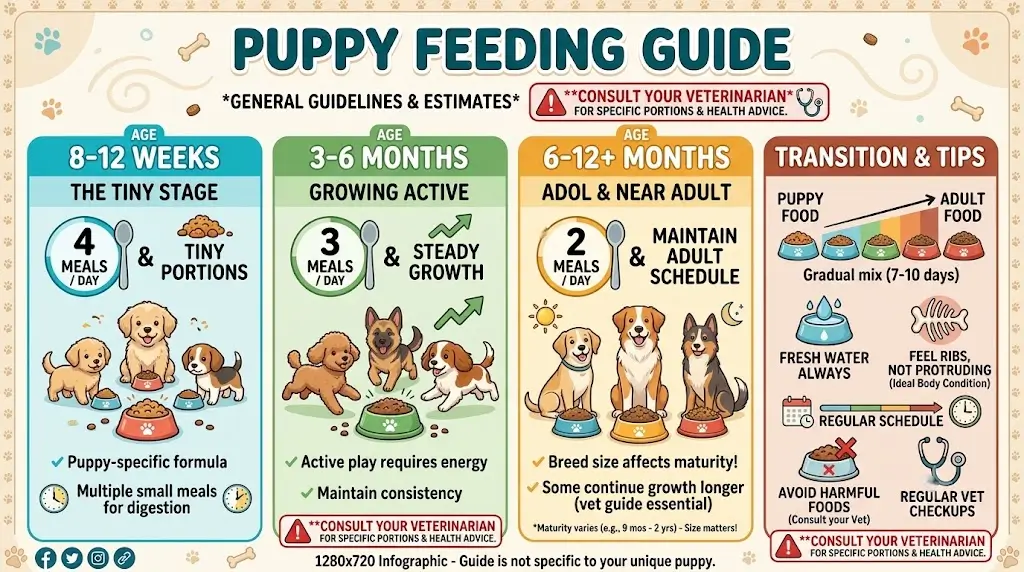
Dog Diet Plan: Life-Stage Precision
A dog food regimen should be as lively as the creature it is used for. The caloric demands of a dog pup differ hugely from those of a senior, who is not active and is at rest.
- Puppies: The high protein density and proportions of calcium-phosphorus are also needed to ensure elimination of skeletal deformities.
- Adults: Target prevention and maintenance of the gradual increase of obesity in pets, prevalent in the US, at >25% of cases.
- Seniors: It is crucial to include very digestible protein sources, as well as more fiber, that will keep the digestive tract moving and combat muscle wasting.
Healthy Dog Treats: 10% Rule
We just like to spoil our pets, and healthy dog treats must not be more than 10 per cent. of their total caloric prescriptions. Use most of the pantry instead – smart snacks:
- Green beans or apple pieces: Low-calorie and high in fiber.
- Air-popped popcorn: It has a nice crunch, minus salt and butter, as long as it’s air-popped.
- Dehydrated liver: A high-quality, single-ingredient, nutritionally dense reward.
Dog Feeding Schedule: Frequency Matters
The one-meal-a-day concept is long outlived. An exercise regimen of 2-3 meals/day in a dog is helpful to keep the blood sugar levels in the body constant and the gut microbiota active. In the case of cats, whose metabolism is such that they should be hunters most of the day, 912 micro-meals can be more natural.
Best Food for Cats: The Obligate Carnivore Standard
The most suitable food for their cats is because they are obligate carnivores. Unlike dogs, cats are gourmet with a compulsory thirst for taurine, an animal-based amino acid, and are incapable of changing plant-based carotene to Vitamin A very well. Although an overabundance of cereals is not necessary in most cats, a high moisture diet may be suggested to alleviate the possibility of kidney crystals and help in their functioning.
Toxic Foods for Dogs: Hidden Dangers in Your Kitchen
The most important aspect of being a good pet guardian is probably being aware of which foods dogs can be poisoned by. Most of the healthy foods that are eaten by humans are metabolic poisons to animals.
- Xylitol: Xylitol is contained in sugar-free gum or in certain peanut butters. It causes a huge insulin release in dogs that results in fatal hypoglycemia and hepatic failure in several hours.
- Grapes and Raisins: these contain tartaric acid and may give an abrupt, but permanently productive, kidney failure.
- The Allium Family: Onions, garlic, and leeks contain organosulfides that destroy red blood cells, resulting in anemia.
- Chocolate and Caffeine: These are also found in methylxanthines. Chocolates of darker color are worse, as even a low dosage of a chemical substance referred to as theobromine, 60mg/kg, will cause convulsions and even coma.
Pet Food News: Be on the Lookout
Lastly, a responsible pet owner should be careful enough to monitor recalls of pet food. The recalls may be given the reason for potential Salmonella contamination, high Vitamin D level, or even aflatoxins, as the presence of mold toxin will lead to a recall. Keeping a check on official feeds by AVMA or the local regulatory authorities will ensure that the bowl in which your pet rests is a haven.
FAQ's
What is the rule of three in checking ingredients for pet foods?
Most of the weight is usually comprised of the first three ingredients. Take into consideration certain named meat products, such as “Deboned Salmon” as opposed to abstract or generalized terms, such as Meat By-products or Animal Fat.
What is the advantage of Rotation Feeding the gut microbiome?
This is achieved by switching protein sources on a few-month rotating basis, exposing the gut to different amino acid profiles that have the potential to boost the immune system and prevent the occurrence of new food sensitivities.
Will Kibble really clean the teeth of a dog?
The vast majority of standard kibble is too tiny and weak to be of any dental benefit. To achieve actual plaque cleaning, special dental diets contain a larger, more fibrous kibble that acts as a squeegee on the tooth surface.
What is the relationship between height feeding and “Bloat” or GDV?
Although it was believed that size feeders prevented Bloat, more recent research indicates that in some breeds, consumption out of a high bowl can increase the risk of the ingestion of air.
Is it safe to administer my pet “Human Grade” Glucosamine in case of joint pain?
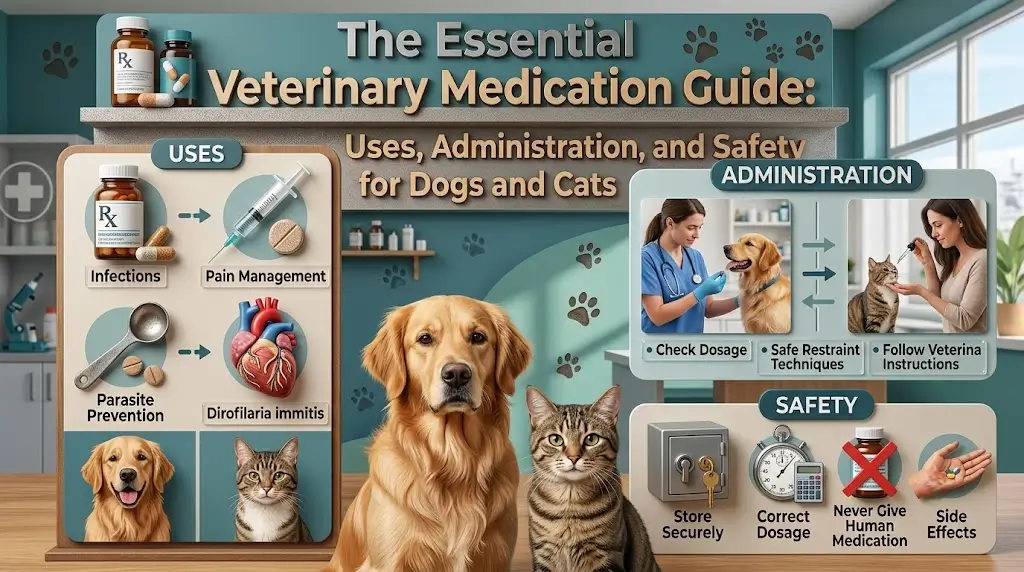
Although the active ingredient is the same, human supplements usually include xylitol, high concentration of manganese, which is toxic to pets. The veterinary formulation should be used at all times.