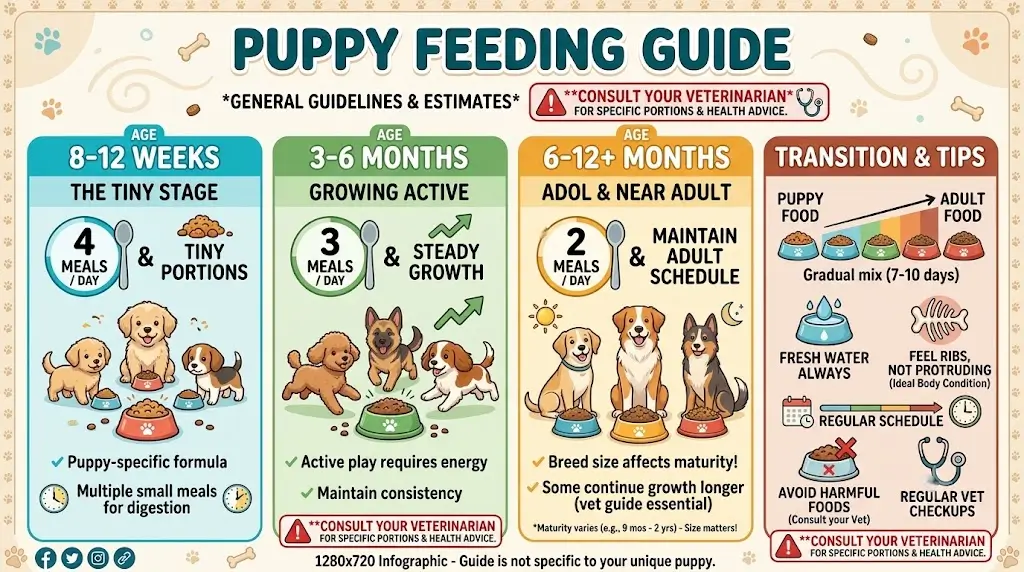
Healthy Puppy Diet & Feeding Guide
Share Now Facebook X-twitter Youtube latest Post Getting a new puppy is
Share Now Facebook X-twitter Youtube latest Post Getting a new puppy is
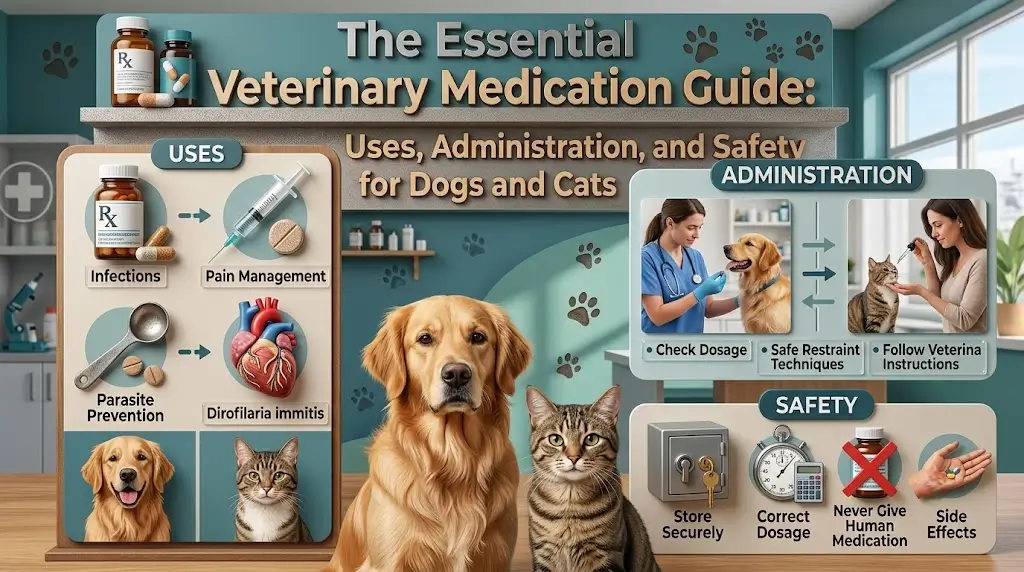
Share Now Facebook X-twitter Youtube latest Post When your loyal dog or
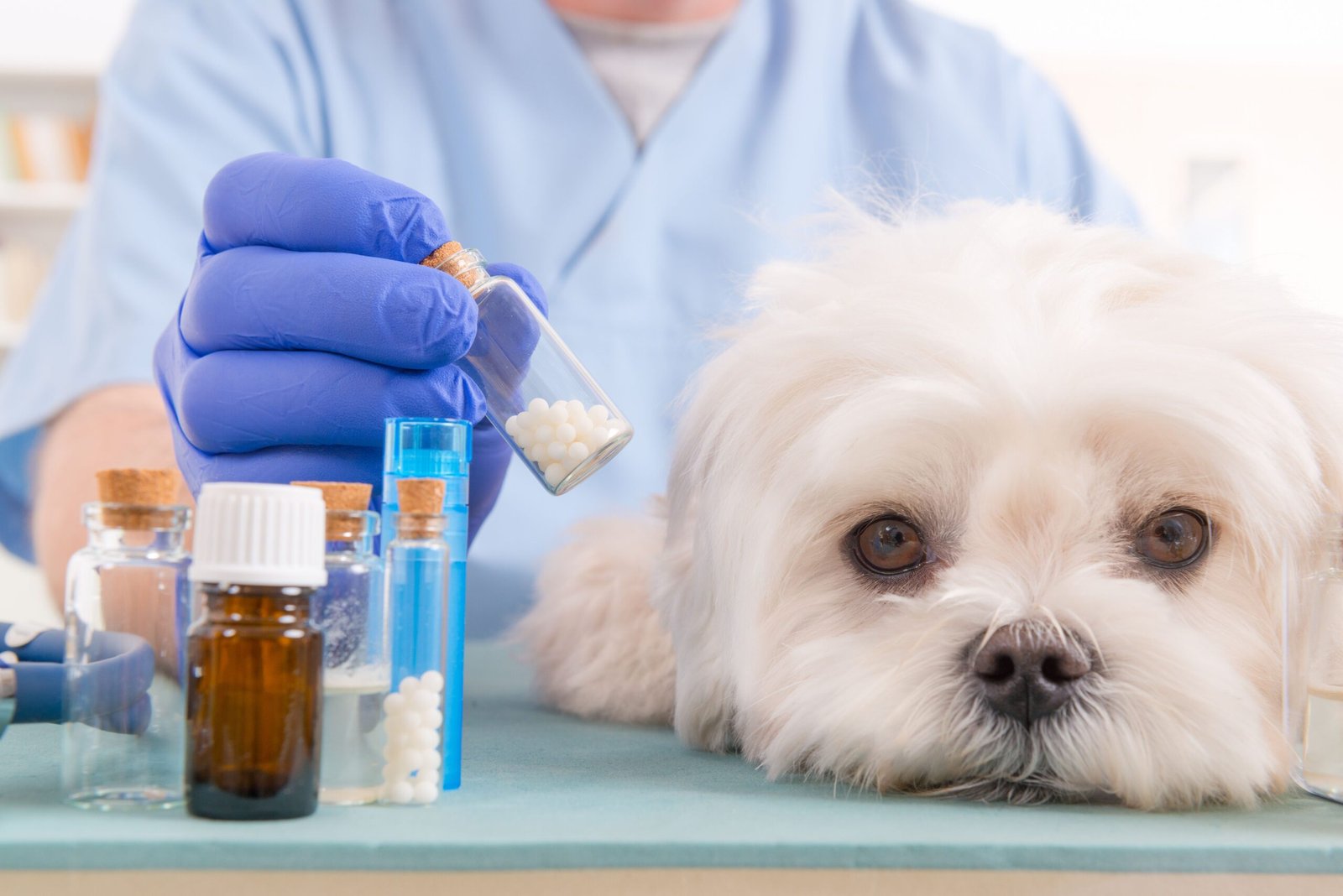
Share Now Facebook X-twitter Youtube latest Post The current veterinary medicine is
The Pet Guardian times are here. The dynamics between people and their tamed friends have undergone a seismic change, with the backyard moving towards the bedroom. Millennial and Gen Z pet parents have spearheaded this tr end of humanization, which has changed our perception of our pets in terms of the bowl.
The initial step to providing your four-legged family members with a long and healthy life is to keep up with all the changes in their lives. The spacious guide by ThePuppyCare is an integration of the newest study and clinical guidelines to make your journey through the intricate world of contemporary pet health as effortless as possible.
Two key trends are present in contemporary news on pet nutrition: premiumization and transparency. Modern pet owners are now scrutinizing the ingredients of the food they offer to their pets, just as they inspect the labels at their own grocery stores. According to industry experts, dog guardians are becoming enlightened about low-grade pet food and no longer love to accept it.
This has given rise to a need to have what can be termed as science-based nutrition. Veterinary nutritionists, organizations such as FEDIAF, WSAVA, and others all agree that importance be put on marketing the so-called buzzwords, rather than on the actual nutrient profile. Be it a commercial kibble diet, or a fresh-dry hybrid diet, one aims at a diet that is complete and balanced to the highest of the analytical criteria needed to suit this or that life stage of your pet.
The first step in an effective dog nutrition program is a basic fact: dogs are not miniature humans and are not wolves per se. They have co-evolved with us to be adaptive carnivores that can digest a range of various nutrients, yet their needs for about 37 different necessary nutrients each day cannot be bargained over. For detailed information, read our complete nutrition guide.
Holiday meals and treats can pose unique risks for pets, especially when owners share human foods without understanding their effects. While some additives, such as nutritional yeast, may offer benefits for cats in controlled amounts, moderation is essential. Studies have shown that low levels of yeast hydrolysate (around 1.5%) may support immune function, improve gut health, and reduce bowel odor. However, excessive amounts can disrupt beneficial gut bacteria and may be problematic for cats with kidney conditions due to phosphorus content. This highlights the importance of being cautious with festive foods and supplements, as even ingredients considered ‘healthy’ can become harmful when overused.
The environmental impact of feeding is taking center stage in the news of pet food in the world. Studies point out that a large proportion of greenhouse gas emissions in the world is a result of the pet food sector. This has resulted in an Effective Altruism pet care movement in which guardians identify sustainable proteins, e.g., insect-derived meals, yeast-derived proteins that have a high Amino Acid Score and a lower carbon paw-print.
Pet owners have recently shifted towards new feeding guides to accommodate modern approaches, such as home-cooked meals and commercially prepared refrigerated diets. If you choose to explore fresh feeding, keep these core principles from The Puppy Care in mind, including strictly monitoring the foods to avoid in your pet’s diet
A pet doesn’t need to be fed a complete diet to enhance the life of your pet. The points below are just some guidelines concerning a good dog diet that can make a difference:
A dog food regimen should be as lively as the creature it is used for. The caloric demands of a dog pup differ hugely from those of a senior, who is not active and is at rest.
We just like to spoil our pets, and healthy dog treats must not be more than 10 per cent. of their total caloric prescriptions. Use most of the pantry instead – smart snacks:
The one-meal-a-day concept is long outlived. An exercise regimen of 2-3 meals/day in a dog is helpful to keep the blood sugar levels in the body constant and the gut microbiota active. In the case of cats, whose metabolism is such that they should be hunters most of the day, 912 micro-meals can be more natural.
The most suitable food for their cats is because they are obligate carnivores. Unlike dogs, cats are gourmet with a compulsory thirst for taurine, an animal-based amino acid, and are incapable of changing plant-based carotene to Vitamin A very well. Although an overabundance of cereals is not necessary in most cats, The Puppy Care suggests a high-moisture diet to alleviate the possibility of kidney crystals and help in their functioning.
One of the most important aspects of being a responsible pet guardian is knowing which everyday foods can be harmful or toxic to dogs. Many foods that are safe and healthy for humans can act as metabolic toxins in animals.
Lastly, a responsible pet owner should be careful enough to monitor recalls of pet food. The recalls may be given the reason for potential Salmonella contamination, high Vitamin D level, or even aflatoxins, as the presence of mold toxin will lead to a recall. Keeping a check on official feeds by AVMA or the local regulatory authorities will ensure that the bowl in which your pet rests is a haven.
Most of the weight is usually comprised of the first three ingredients. Take into consideration certain named meat products, such as “Deboned Salmon” as opposed to abstract or generalized terms, such as Meat By-products or Animal Fat.
This is achieved by switching protein sources on a few-month rotating basis, exposing the gut to different amino acid profiles that have the potential to boost the immune system and prevent the occurrence of new food sensitivities.
The vast majority of standard kibble is too tiny and weak to be of any dental benefit. To achieve actual plaque cleaning, special dental diets contain a larger, more fibrous kibble that acts as a squeegee on the tooth surface.
Although it was believed that size feeders prevented Bloat, more recent research indicates that in some breeds, consumption out of a high bowl can increase the risk of the ingestion of air.
Although the active ingredient is the same, human supplements usually include xylitol, high concentration of manganese, which is toxic to pets. The veterinary formulation should be used at all times.