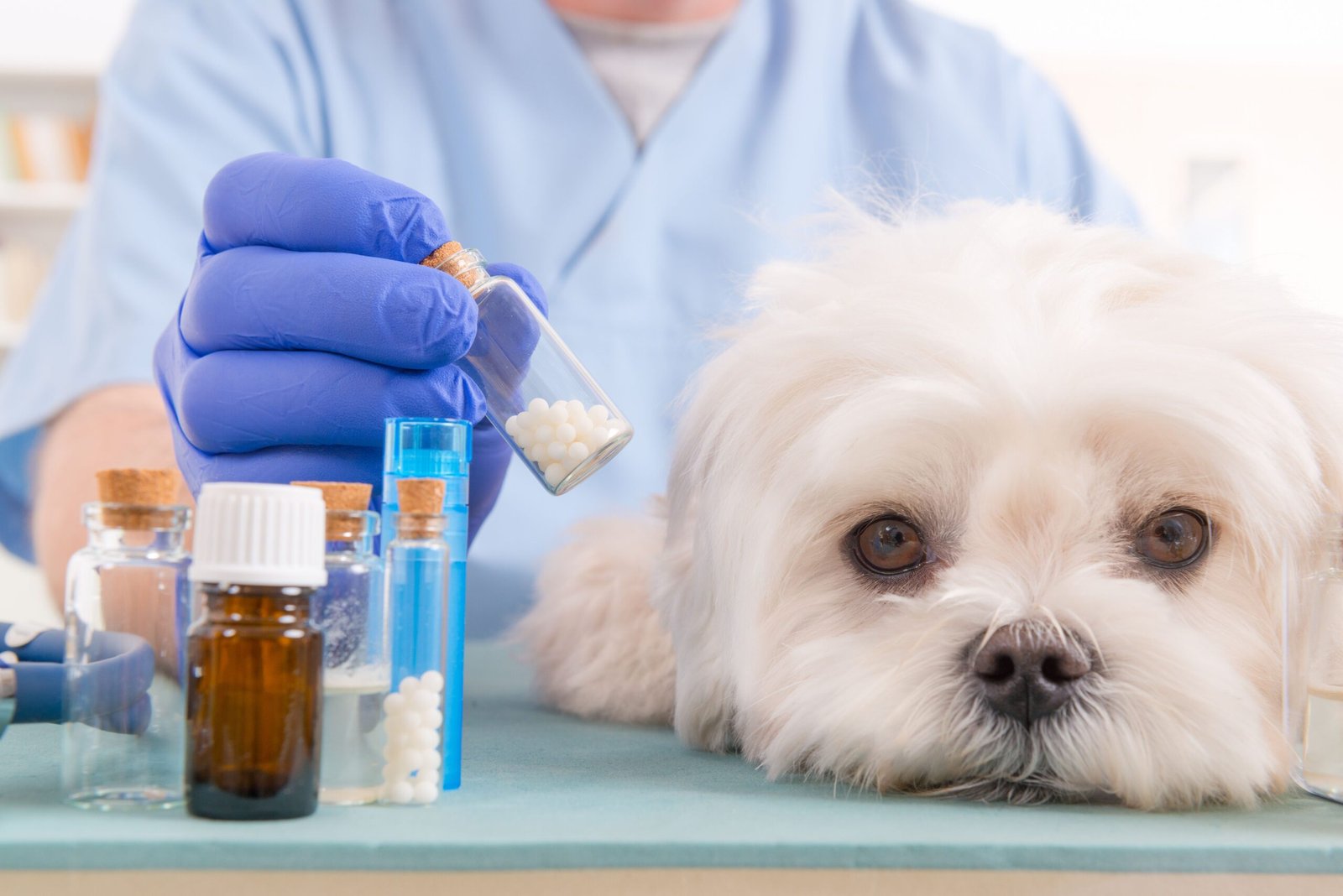
Diazepam for Dogs & Cats – The Complete Veterinary Guide
Share Now
latest Post


Missing Dog Flyer: The Ultimate Guide to Bringing Your Pup Home Fast
June 8, 2026
No Comments
Read More »
Diazepam has been one of the few drugs that have been kept as a constant in the world of veterinary pharmacology. The derivative of benzodiazepines called Valium is famous as a pillar in the treatment of acute neurologic episodes, acute behavioral disturbances, and certain physiological disequilibrium in domestic animals. To both veterinary practitioners and ardent pet owners, a thorough knowledge of this drug, including its molecular mechanism and clinical constraints, among others, is the key to animal welfare and safety.
Common Uses of Diazepam for Dogs
Diazepam is a benzodiazepine tranquilizer, which is why it has clinical flexibility. Its primary effect is on the central nervous system via the Gamma-amino-butyric acid (GABA) receptors. Diazepam can calm overstimulated neurons with the help of the higher level of inhibition of GABA. It is a broad-spectrum inhibitory effect that brings about several significant uses of diazepam in dogs.
In other applications of this drug besides plain sedation, its use is in muscle relaxation of the instance of stiff man syndrome or local muscle spasms. Moreover, it plays a very crucial role in pre-anesthetic procedures since it gives a limit to the degree of anxiety before the operation, wherein the induction dose of stronger anesthetic agents is safer and lower. It is also employed in emergency medicine in counteracting some of the toxicities that result in tremors or hyperexcitability.
The Role of Pharmacokinetics in Clinical Use
It is due to its pharmacokinetics that this drug is so popular in emergency medicine. It is very lipophilic (soluble in fat), and it is distributed quickly in the tissues of the body. This enables it to penetrate the blood-brain barrier at a very high rate, which is crucial in case of a medical crisis when every second matters. This characteristic, however, makes the drug redistributed away from the brain; as a result, its main effects tend to be short-lived, thus the need to follow up care to ensure long-term stability.
Effective Use of Diazepam for Seizures in Dogs
The importance of Diazepam in the context of life-saving interventions for dogs cannot be overestimated. Seizures are caused by the brain abnormally and uncontrollably bursting into electrical activity. In a condition known as status epilepticus, or a condition that lasts over five minutes or in quick sequence, the brain is at risk of permanent damage or hyperthermia.
The gold standard of acute seizure cessation is diazepam due to the above-mentioned property to quickly pass through the blood-brain barrier, approximately in the shortest time possible. It serves as a circuit breaker and stops the electrical tempest. It should, however, be noted that although it is effective in preventing a seizure in progress, it is not a perfect long-term maintenance drug. Dogs come into a state of functional tolerance whereby the brain learns to tolerate the drug, and the anticonvulsant effects of the drug decrease with weeks of daily application.
Understanding Seizure Thresholds
Each animal possesses a threshold of seizures, a threshold known as the seizure threshold, which is the degree of brain excitation at which a seizure occurs. This threshold is temporarily raised by diazepam. Since it is a rescue drug, owners of an epileptic pet often have it in a “seizure kit” as it gives them a feeling of security that they can control a crisis at home before they can get it to an emergency clinic.
Determining the Correct Diazepam Dosage for Dogs
The most important aspect of determining a dose of diazepam in dogs is accuracy. Since the drug influences the central nervous system, and even the slightest imbalance can result in either under-treatment or over-sedation, which is dangerous. The dosage is never a one-size-fits-all but is always calculated in terms of milligrams per kilogram (mg/kg) of lean body mass of the pet.
The dosage is also dependent on the administration route. Intravenous (IV) delivery will be the most bioavailable in a clinical setting. To manage home-based emergency seizure, most veterinarians offer rectal formulation since the rectum absorbs the drug much quicker than the digestive tract due to the mucosal lining of the rectum. The owners should never decide to determine the dosage of Valium for the dogs by themselves, since other aspects, such as other medications and liver diseases used can significantly change the safety margin.
Managing Valium for Dog Anxiety
Acute psychological trauma in pets can be inflicted by situational stressors like heavy thunderstorms, fireworks, or long-distance travel. Valium as a solution to dog anxiety provides a quick fix to these particular occasions. Diazepam is on demand as opposed to long-term behavioral drugs, such as Prozac (Fluoxetine), that require four to six weeks to become effective.
It appeals to the limbic system, which is the part of the brain that responds to emotional states. It can make a dog calm during an event of stress without necessarily making him/her unconscious by dampening the fear center. This is especially applicable to pets that have an extreme phobia of noise, where environmental management is not enough to manage the phobia.
Understanding Diazepam Side Effects in Dogs
Although numerous advantages of this drug are far-reaching, it is not the most risk-free. Diazepam side effects in dogs should be observed as the owner should be alert during the initial 24-hours of administering the drug. The most reported effect is ataxia, described as a lack of coordination or a stumbling gait.
Other clinical manifestations can be:
- Profound Lethargy: The pet is asleep; it is hard to wake him.
- Increased Food-seeking (Polyphagia): An extreme increase in the food-seeking behavior.
- Paradoxical Aggression: It is not very prevalent; under other circumstances, the drug may disinhibit the dog, causing unexpected behavior of the dog, such as irritability or hyperactivity.
- Depression: An observable change in the character of the pet in which it appears to be closed off or shows no response to the normal stimuli.
Important Considerations for Diazepam for Cats
The medicine of felines would demand a special approach to this medicine. Although diazepam in cats can be administered successfully as an effective appetite stimulant or to treat urinary obstructions associated with urethral spasms, it has a black box warning against the felines.
Certain cats have a genetic tendency that leads to idiosyncratic hepatic necrosis- an abrupt and often fatal liver failure. This response is not dose-dependent and may take place in days of initiation of oral treatment. Due to this danger, some veterinarians would use other benzodiazepines (such as Midazolam) or administer a thorough liver enzyme test before and during the administration of Diazepam to cats.
Recognizing the Side Effects of Valium for Dogs and Cats
A normal and a toxic reaction of the body to sedatives should be distinguished. In dogs and cats, the side effects of valium are severe, including signs of liver damage, including icterus (yellowing of the gums or skin), chronic vomiting, and brown urine.
Chronic Use and the Risks of Abrupt Withdrawal
Also, there is a need to have a tapering period for long-term use. When the drug is suddenly discontinued, the brain has become used to the drug’s suppressive effect and may react with a violent attack of excitation or even withdrawal seizures. The only safe method to withdraw the drug is by a gradual discontinuation process after chronic drug use under the supervision of a vet. This is done by gradually decreasing the number of milligrams of dose over several weeks to enable the neurons to re-equilibrate.
Exploring Alternatives to Diazepam for Dogs
Since there is a risk of tolerance and side effects, most owners and vets seek other options to diazepam in dogs, particularly in chronic cases. In case the management of seizures is long-term, the preference is often given to such medications as Levetiracetam (Keppra) or Zonisamide since they are not associated with the same risk of tolerance.
Daily, Trazodone or Gabapentin can offer a more consistent, long-term baseline of calmness in case of chronic anxiety. Pheromone diffusers, or high-quality, veterinarian-approved CBD products, may be considered as supportive care to owners who seek such support, but they do not possess the same potent effect as a pharmaceutical benzodiazepine, that is, the so-called rescue effect.
Pet owners should also review their policy details, as insurance coverage for prescription treatments can help reduce the long-term costs associated with seizure management, anxiety medications, and ongoing veterinary care.
Integrative Behavioral Support
In the case of anxiety, a lot of practitioners agree that medicine is just one side of the coin. Pharmaceutical interventions are usually used with desensitization training and environmental enrichment as a means of offering a comprehensive approach to the health of pets, eliminating the use of high-dose sedatives over time.
FAQ's
Is it employed in travel sickness?
It is not an antiemetic, although it aids in the anxiety of travel. With it, a drug such as Maropitant is most likely to be used in case your dog has motion sickness (vomiting).
Does it have an interaction with heart medication?
It is able to interrelate with some medicines such as Propanol or Digoxin. Never leave a complete list of current supplements and medications that your pet is on when visiting your vet.
How is it stored?
Diazepam should be stored at room temperature and should not be under direct light, as the light can cause the chemical compounds to decompose.
What will become of my dog, spitting up the pill?
Do not re-take another pill. Call your veterinarian to determine whether or not an adequate amount of the drug has most likely been absorbed, or simply wait until the next dose.
What is its speed?
Swallowing one of the mouths you will experience the effect within 90-30 minutes. They may be in the form of intravenous or rectal administration and typically need only a few minutes.