Is Your Pet Medication Safe? The Essential Guide to Veterinary Drugs
Share Now
latest Post
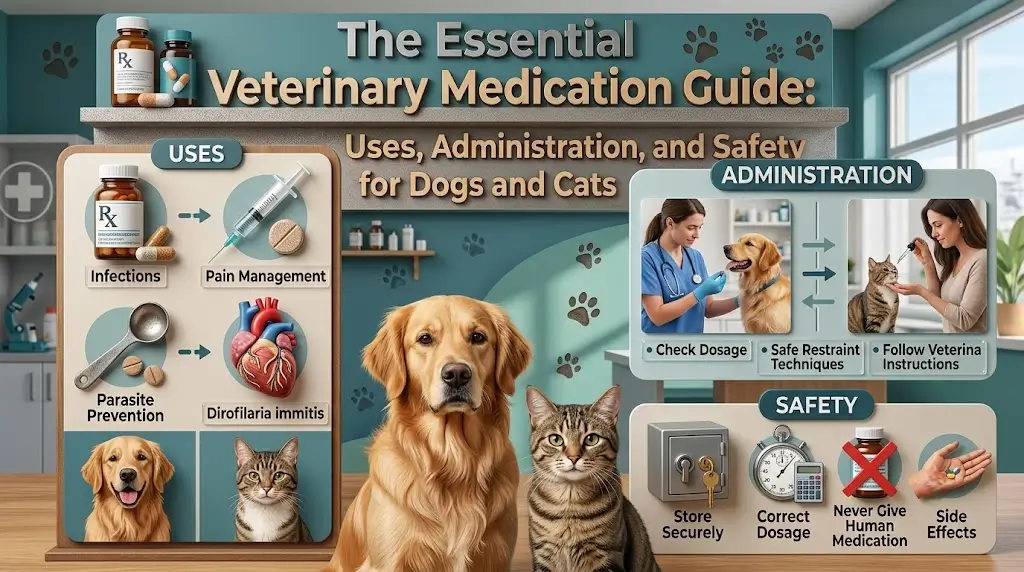
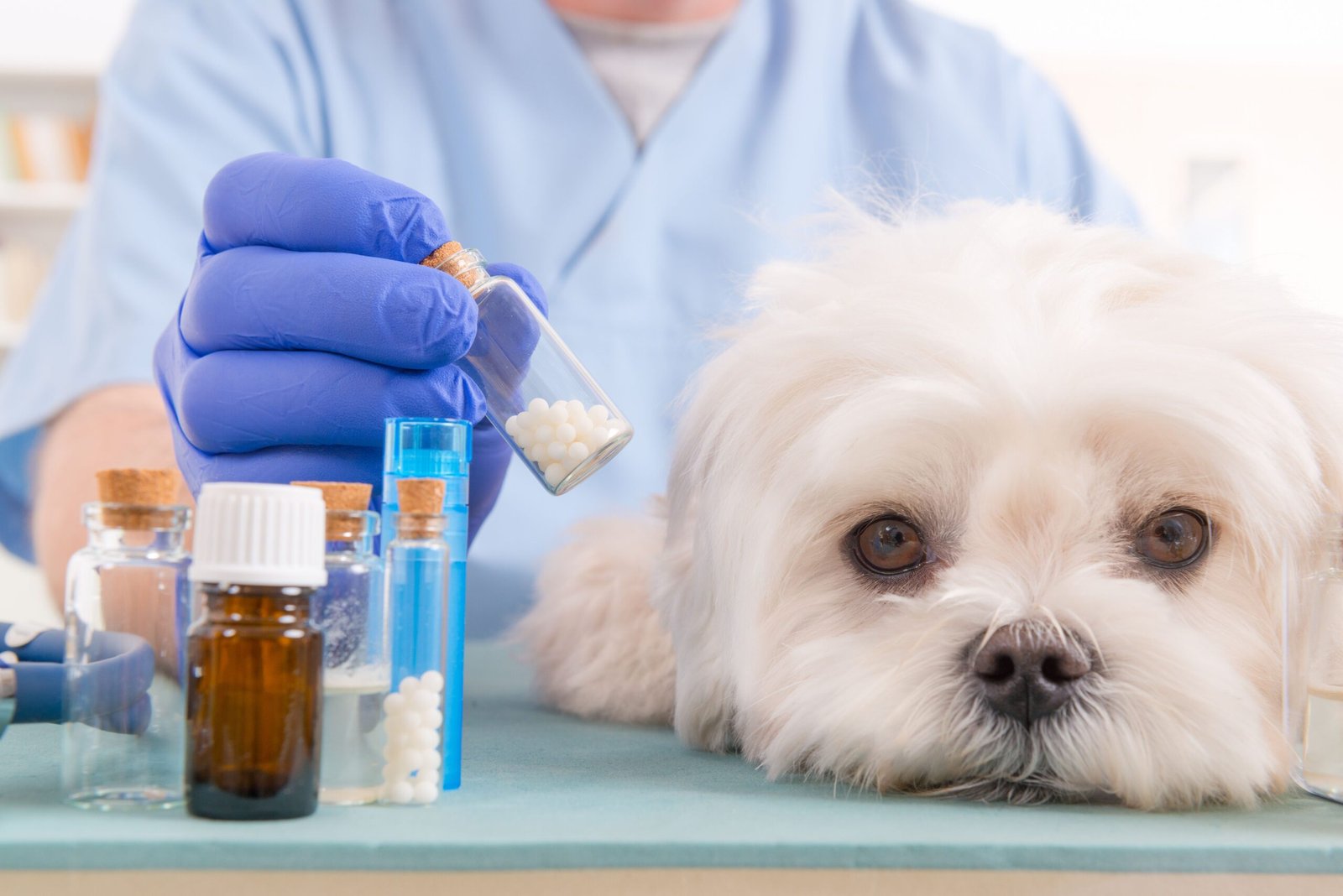
The current veterinary medicine is in a golden era, and they have it all, from the discovery of state-of-the-art antivirals that are specially designed to work in cats to the provision of protracted parasite control in dogs. But even the most loyal pet owner will find it confusing at times, navigating the veterinary drug world. Be it dealing with a chronic ailment or setting up a visit to the vet that will be very stressful or just trying to get ahead of seasonal parasites, this comprehensive guide from The Puppy Care has all the main categories, safety considerations, and financial approaches that you must know about.
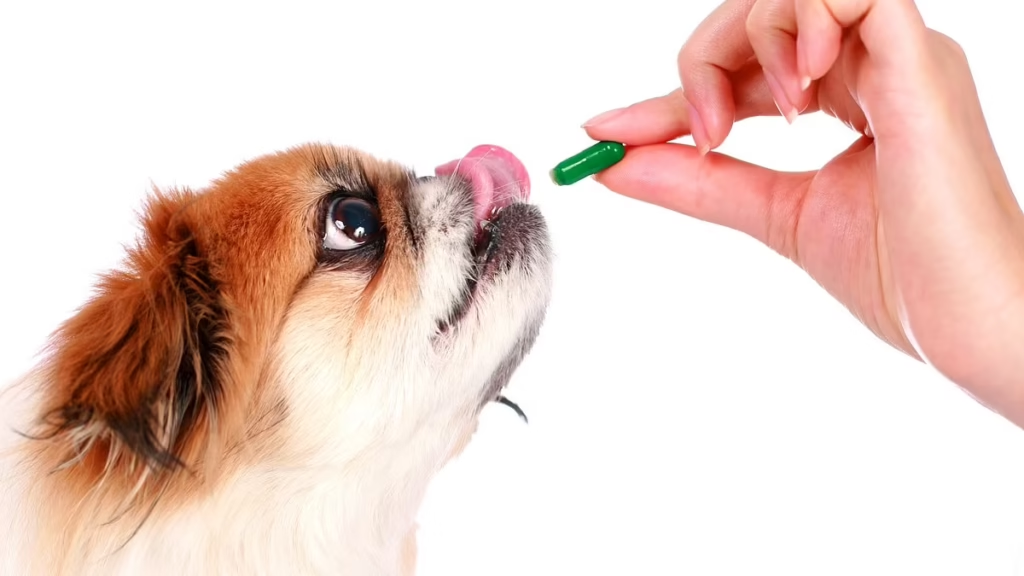
Feline Medications: The “Cat-First” Revolution
Over decades, the veterinary industry has been running on a small dog paradigm of cats – that is, adapting canine dose to the weight of a feline. Feline drugs nowadays are specially designed to suit the special feline metabolism. Brands are not miniature dogs; they have an elongated differentiated liver that does not have some enzymes for glucuronidation. This implies that they are unable to digest numerous human medicines, including acetaminophen, which is poisonous to them.
Innovations in Chronic Care
- Diabetes Management: Replacement of twice-daily injected insulin with oral medicine SGLT2 inhibitors, such as Bexagliflozin and Velagliflozin, has transformed the management of diabetes. These medications enable the body to urinate excess glucose, and in most cases, no needle is required.
- FIP Recovery: Feline Infectious Peritonitis (FIP) used to be regarded as a disease that was 100 per cent fatal. There is now the use of antivirals, such as Remdesivir and GS-441524, in 84-day protocols to remit cats to full clinical remission.
- Osteoarthritis (OA): Chronic pains are infamously hard to detect in cats. A new monthly monoclonal antibody injection called Frunevetmab (Solensia), specifically Nerve Growth Factor (NGF), has been introduced to achieve relief without the stress on the kidneys that is usually caused by traditional NSAIDs.
Calming Medication for Dogs and Cats: Solving “Vet-Visit Stress”
Emotional health is now taken as one of the pillars of complete well-being. A veterinary experience where there is no fear is no longer an additional, but a norm of care. In a bid to overcome anxiety, veterinarians usually prescribe certain calming medications to the dogs and cats to be administered 1.5 to 2 hours before an anxiety-inducing event such as travel, grooming, or a medical check-up.
The Science of Being Quiet
- Pregabalin: The latest oral solution that feline practitioners are fond of is called Pregabalin, which is a highly bioavailable one. It is also a Ligand of the alpha-2-delta subunit of calcium channels that open in response to voltage, effectively reducing the discharge of excitatory neurotransmitters such as glutamate.
- Gabapentin: It is no longer a part of the past of neuropathic pain but has become the largest dog in the yard as far as pre-visit sedation is concerned. It minimizes fearful aggression and nervousness, and the diagnosis process is made less dangerous to both the pet and the medical team.
- Trazodone: A reuptake inhibitor and serotonin receptor antagonist (SARI) used in dogs, which is considered to be a stable mood stabilizer, may be given to dogs to help alleviate situational phobias (thunderstorms or fireworks), and is associated with some minor sedative effects.
- Pet Allergy Medicine: Managing Itchy Eyes and Sneezes
Allergies are an immune system reaction to harmless proteins. Regarding that, interestingly, pet allergy medicine applies to both sides of the leash, as humans and pets tend to respond to the surroundings of each other.
For Humans (Pet Dander Sensitivity)?
- Antihistamines: The antihistamines that prevent the release of histamine, which causes the nose to run and the eyes to be itchy, are fexofenadine (Allegra) and cetirizine (Zyrtec).
- Immunotherapy: Immunotherapy by way of allergy shots is not only a long-term treatment but also necessitates taking daily pills. Ingesting microdoses of animal protein will not lead to an excessively positive response of the body to the pet, but rather an adaptation to animal protein consumption will occur over a 3-5 year period.
For Pets (Atopy and Skin Allergies)
- Corticosteroids: the medications are both powerful anti-inflammatories, named Fluticasone or Prednisone. There are, however, some long-term side effects of oral steroids, and therefore some vets tend to utilize local nasal sprays or topical creams.
- Cytopoint and Apoquel: These are new, targeted dog therapies that prevent the itch signal in the dog at the molecular level, avoiding the side effects of the traditional steroids needed to rid a dog of environmental allergies.
Pet Flea Medicine: The Shift to 12-Week Protection
The shift towards longer-term oral chews and not monthly spot-ons is the most important change in pet flea medication. Data collected by ThePuppyCare across the US, UK, and Australia reveals a huge inclination towards this change.
- The Adherence Gap: 100% of the veterinarians recommend protection all year round, yet the owners do not give monthly applications. The research has shown that 82 percent to 92 percent of pet owners would prefer a 12-week dosage (like Fluralaner/Bravecto). This kind of approach and introduction of the treatment on one occasion per season is far more effective, but it implies that the pet is not left in danger of being infested.
Critical Safety: The Permethrin Danger
When using flea prevention, it is crucial to differentiate the species. Permethrin can be found in a variety of canine products. Although it is not active among dogs, it is fatal to cats, in most cases. A cat would only have to rub against a dog that was freshly applied with a topical permethrin product to be poisoned. Always consult The Puppy Care guidelines and verify that your feline medications are explicitly labeled safe for cats.
Cheap Pet Medications vs. Pet Medication Insurance
With improved technology in the field of veterinary medicine, the price of care increases. This makes most owners go on the hunt for low costs on pet drugs, yet there is a fine line between a bargain and a risk.
Red Flag Pharmacies to avoid
At the time of purchasing cheap products, avoid internet stores that:
- Not by prescription of a legitimate veterinary health care provider.
- Bring drugs of unidentified foreign sources.
- Sell (bulk) veterinary drugs
- Fake drugs tend to have inappropriate pills or poisonous fillers. Through your veterinarian or an accredited, recognized pet pharmacy, always get your medicine.
The purpose of Pet Medication Insurance
Many owners are resorting to pet medication insurance to afford costly life-saving drugs, such as those used in oncology, or to treat long-term kidney diseases. They usually include the following:
- Repeat medication (e.g., heart medicine).
- Emergency infusions.
- Advanced pain management.
- Giving them a monthly payment allows the owners to make sure they never have to decide whether to use their money or save their pets.
Understanding Drug Delivery: A Quick Guide
The future pet medication guide is taking the place of effect and emotional well-being at its core. The team at ThePuppyCare is tracking a definitive shift toward three core medical pillars:
- Biomarkers: There are now tests, such as NT-proBNP, which can detect heart disease before the pet displays any symptoms.
- Palliative Care: In the elderly pet, the emphasis is moving towards elements of Quality of Life with the aid of appetite stimulants, such as Capromorelin, to keep the pet happy and fed during the last few years.
- Species-Specific Research: The most recent research conducted on medications like Rapamycin involves clinical research studies to examine the ways of slowing down the aging process and Hypertrophic Cardiomyopathy in cats.
In conclusion, you are able to be a pet parent as an advocate. Keep this guide in mind so that you can more easily communicate with your veterinarian, and safety and species-specific formulations become a priority. Your companion will be able to live longer, happier, and healthier by having the correct veterinary medications and with a liberal attitude toward pet medication insurance.
The Future: Evidence-Based Feline and Canine Medicine
The future pet medication guide is taking the place of effect and emotional well-being at its core. The team at ThePuppyCare is tracking a definitive shift toward three core medical pillars:
- Biomarkers: There are now tests, such as NT-proBNP, which can detect heart disease before the pet displays any symptoms.
- Palliative Care: In the elderly pet, the emphasis is moving towards elements of Quality of Life with the aid of appetite stimulants, such as Capromorelin, to keep the pet happy and fed during the last few years.
- Species-Specific Research: The most recent research conducted on medications like Rapamycin involves clinical research studies to examine the ways of slowing down the aging process and Hypertrophic Cardiomyopathy in cats.
In conclusion, you are able to be a pet parent as an advocate. Keep this guide in mind so that you can more easily communicate with your veterinarian, and safety and species-specific formulations become a priority. Your companion will be able to live longer, happier, and healthier by having the correct veterinary medications and with a liberal attitude toward pet medication insurance.
FAQ's
What is “Compounding” and what does it do to help with hard-to-pill pets?
The bitter pills can be converted to flavored medicines or chews in the form of a tuna-melt. This personalized system is able to deliver the necessary dosage with no physical exertion of conventional piling.
What advantage does it have to have an Extended-Release parasite protection?
Medications such as Fluralaner remain in the tissue of the pet as long as 12 weeks, having instant killing effects on fleas. This removes the “adherence gap” in which owners may forget about a monthly dose and expose the pet to risk.
What are early heart disease Biomarker Tests?
These are tests that examine certain levels of proteins that come out in the circumstance of heart muscle stress. This helps vets give protective heart medicine to pets months or years prior to the physical appearance of the pet.
Why do toy breeds need to be concerned with (Weight-Based) Dosing?
Small pets come into direct contact with the environment in large proportions; hence, a small overdose can be poisonous. Liquid syringes ensure the appropriate amount of precision in dosing dogs or cats with a weight lower than 10 pounds.
What is the Palliative Sedation of a Senior Pet?
During the terminal phase of the disease, nighttime restlessness or sundowning is taken care of by low-dose sedatives. This guarantees the pet and the family to sleep in peace and not wake up in distress due to disorientation.