2026 Guide to Pet Treatments and Home Remedies for Cats and Dogs
Share Now
latest Post


Missing Dog Flyer: The Ultimate Guide to Bringing Your Pup Home Fast
June 8, 2026
No Comments
Read More »
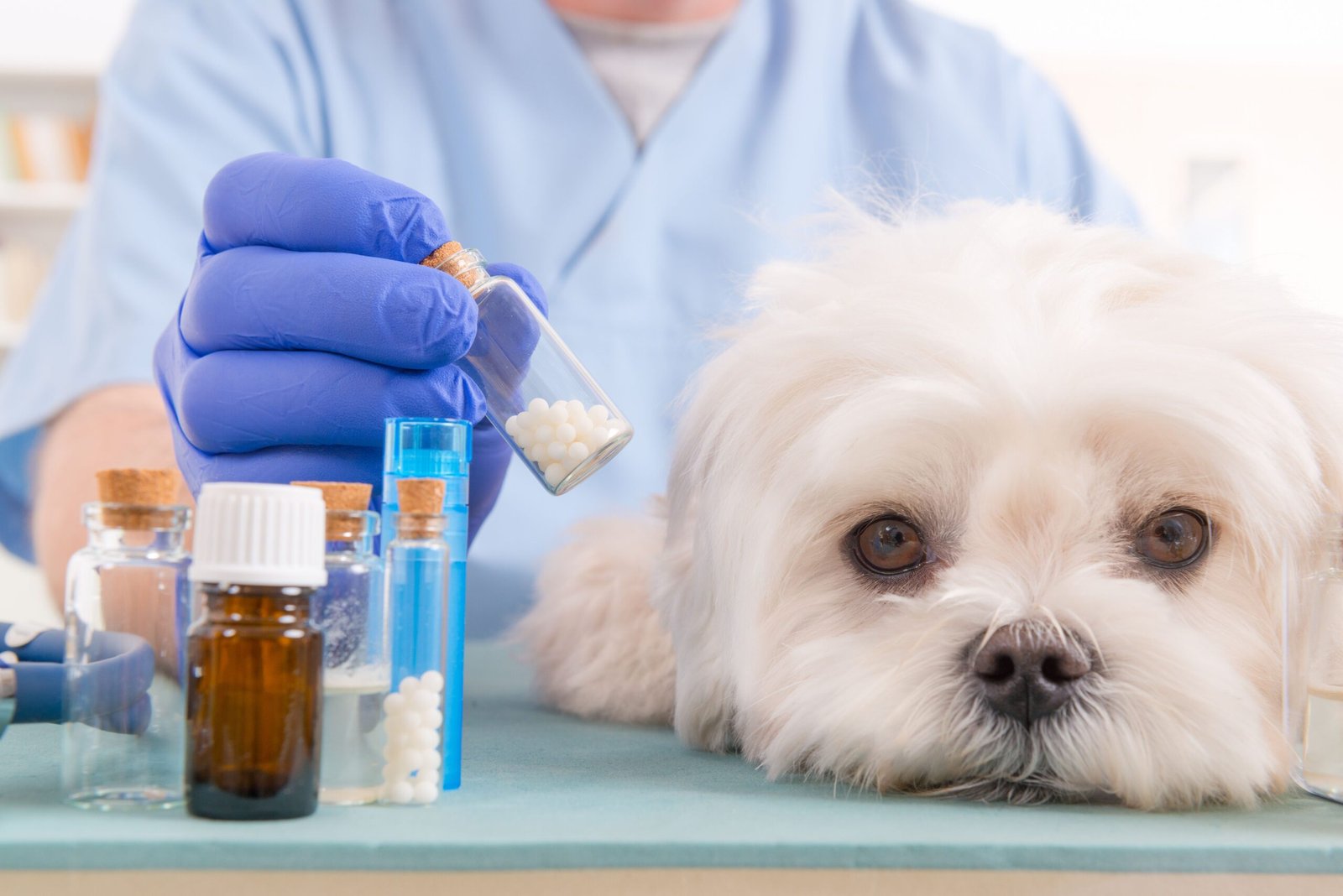
Integrative medicine reflects the modern approach to animal wellness. At The Puppy Care, we recognize that lab-grade prescriptions and natural remedies are no longer viewed as opposites but as complementary tools for supporting pet health. Combining conventional treatments with home remedies allows owners to manage acute symptoms while promoting long-term well-being.
A common drug can work upon a specific biochemical pathway to prevent pain; however, herbal remedies assault the environment of the host, making the gut itself healthier and the overall level of inflammation lower. The trick in both cats and dogs that has two layers is the key to controlling the longstanding problem (arthritis or allergies) without the severe side effects of being dependent on medication over the long term.
Veterinary Flea Treatment for Cats and Dogs: The Modern Standard
Not only a nuisance, but also biological stressors with the ability to induce anemia, tapeworms, dermatitis, fleas, and ticks. The overall life cycle approach is required in making the right choice of pet remedies because of the resistance of the older chemicals, in this case, developed by these pests.
Effective Flea Interventions
- Cat/dog flea treatment: Adventicides and adulticides such as Imidacloprid, Fipronil, or similar, more modern agents are the most effective (in place of pyridine derivatives), and can be used in active infestations to paralyze the nervous system of the flea.
- Diatomaceous Earth: A food-grade dust that dries fleas as it gets in touch with them. It is an effective home treatment of fleas on dogs and cats, sprinkled on bedding and carpets.
- The Apple Cider Vinegar Shield: Equal parts of water and Apple Cider Vinegar will result in a pH level on the fur that will repel fleas.
- Soap Baths: There are safe uses of mild dish soap to rid adult fleas since it can immediately drown them, and it is a safe home remedy to use in cats and dogs with sensitive skin.
- Scientific Safety Warning: Do not apply dog flea products to cats. Permethrin, which is deadly in the feline liver, is a component in many dog treatments and may lead to swift toxicity.
Clinical Evidence for Herbal Remedies for Pets
Modern pharmacology is based on herbalism. Current news on pet health notes that the use of the whole-plant extract in treating animals sometimes offers a superior treatment over isolated chemicals due to the synergistic nature of the bioactive compounds contained.
Targeted Herbal Support
- Valerian Root: Another natural calming agent that stimulates the amount of a natural sedative in the brain of a hyperactive dog or a cat, which is stressed by thunderstorms or by fireworks.
- Chamomile: It also has a flavonoid, which is known as apigenin; it binds to specific receptors and helps one to relax and soothe an angry belly.
- Milk Thistle: An essential extract to offer liver protection against toxins and aid in cell development in the pet in case of long-term medication.
- Coriolus Mushroom: The quantity of research done on this mushroom is groundbreaking; it can greatly enhance the lives of pets with severe immune setbacks.
Critical Pet Safety News: Pollution and Toxin Alerts
We need to be informed about the news concerning pet safety in our constantly changing environment. The problem of quality and safety of the air and winter toxins has come to the forefront of urban and rural pet owners in 2026.
New pet health stories indicate that as soon as you start to smell wildfire smoke, your pet is already stressed in its lungs. Dogs must not spend too much time outdoors, except for the purpose of visiting the bathroom, and cats, extremely sensitive to air pollution, should be kept in well-ventilated rooms, outside of fireplaces.
According to pet safety news, ethylene glycol, commonly used in most antifreezes, is another line of frequent warnings. It tastes sweet and is most popular with cats and dogs, yet only a lapse can cause kidney failure that is fatal. The impacts of poisoning include vomiting, lethargy, and seizures. To prevent tragic accidents, a pet-safe alternative to antifreeze, which is made with the use of propylene glycol, is always recommended.
Expert Pet Care Tips for Seasonal Problems
With the onset of wintry weather, paws, protection, and prevention should be the focus of your pet care advice. Young and senior animals often struggle to regulate their body temperature, making extra attention essential during severe freezes, while preventative care that reduces the need for treatment can help keep pets healthier throughout the colder months.
Winter Protection Checklist
- Foot Care: Pads may be burned by de-icing salts. Wear booties or use paw wax before walking. Care to wipe paws after touching using a moist cloth to take out toxic chemicals.
- Physical Obstacles: To ensure that dogs and older cats do not get wet, short-haired dogs and old cats can wear soft sweaters. Jackets that are weatherproof are needed as they are snowy.
- Regularity: Have a regular feeding and play schedule. Forecasting helps in reducing winter storm cortisol bursts and power outages.
Pet Health News: Nutrition and Synthetic Chemical Replacements
The trend towards using natural antioxidants in pet food is perhaps one of the largest changes in the health news of pets. Manufacturers are even moving onto using plant extracts in place of synthetic chemicals like Ethoxyquin, tea polyphenols, and curcumin. These natural extracts not only prolong the shelf life of pet food, but they are also anti-inflammatory.
Studies indicate that parasites are mostly repelled by healthy, unstressed skin. The addition of omega fatty acids to diets enhances the skin barrier, and the addition of fiber-bound polyphenols benefits by increasing good gut bacteria, so that the pet becomes less appealing to fleas and other pests.
Safe Application of Home Remedies for Fleas on Dogs and Cats
There is no “no-lick rule when it comes to home remedies for fleas on dogs or the use of the herbal salves. Aloe Vera is also administered to minor burns, though when taken in large amounts by dogs or cats, it is poisonous. Goldenseal is also a nice natural anti-bacterial, and can be utilized for eye or skin infection, but must be applied by a professional under the guidance of how to dilute it properly.
Summary: Pet Remedies for a Longer Life
Complete dog wellbeing is a lifelong process. By combining the quick action taken by using both veterinary flea treatment for cats and dogs and the long-lasting support of the pets taken care of by the herbal remedies, you have given your pets an all-around attack. Always keep yourself informed about pet health, have their home remedies for fleas on cats and dogs, and avoid compromising in any season; they should be ready to lend themselves to safety first and convenience second. You will spend a lot of years in the company of your furry friends, living healthily and fulfilling your life.
Note: When taking an herbal regimen or home remedy, these should also be discussed with your veterinarian, particularly when it comes to pets with other underlying issues and/or prescription medications.
FAQ's
Are there benefits to rotation? Feeding of the gut microbiome?
This ensures that by alternating the sources of proteins after every few months, you would help in providing a greater number of amino acids and positive bacteria to the digestive system. This variety can boost the overall immunity and seemingly prevent the occurrence of new sensitivities to food.
Does Kibble really clean the teeth of a dog?
Most standard kibbles are too small and brittle to offer any actual mechanical cleaning advantage and are swallowed. To be effective in removing the plaque, pets do not need regular food but usually will need special “Dental Diets” in which the kibble will be structured to last longer to help scrape the tooth surface.
What is the relationship between feeding height and Bloat (GDV)?
This is opposed to the earlier opinion that higher feeders can decrease the chances of air ingestion and bloating in some large-breed dogs. Eating on the floor is generally safer unless your vet recommends that you use an elevated bowl due to a neck or esophageal problem.
What does Human-Grade on a pet food label really mean?
Legally, it is that all the individual ingredients and the plant that the food was produced in have passed the stringent FDA and USDA retaliation of food as suitable for human eating. It is a substantially greater standard of litigation than marketing terms such as, but not limited to, the terms, premium, natural, and holistic.