How to Spot Cancer and Illness Symptoms in Your Pet
Share Now
latest Post
No pet owner would want to find their dog or cat to be a sick animal and not have the first knowledge of the ailment. Any dog or cat owner would find a diagnosis of any kind of disease to be a terrible situation to be in. With older pets, you will need to know about signs of serious health problems such as cancer, stomach problems, and organ failure that may develop, so that you can help keep your pet safe.
Such a dreadful diagnosis, but veterinary care is such a long way forward! Here are some wonderful products that can be utilized in the case of such diseases and are very effective if there is early detection of the disease. This article, written by The Puppy Care, will provide you with the main red flags of both dogs and cats, to help you get the assistance they may need immediately.
Why It Is Easy to Miss a Pet’s Symptoms
Dogs and cats can’t tell us when they don’t feel well, as they can with humans. Instead, they tend not to be weak or keep their pain to themselves.
It’s particularly true about cats, as they’re the masters of putting on an act. If he has a big stomach or bowel problem, he will purr, but the cat may be licking it and purring. They will also exhibit some signs of becoming slightly more passive or that they aren’t necessarily supposed to be “on show” but rather they need to be in a less prominent part of the room, where they can then disguise their symptoms and pain.
You will have a choice of treatment, fewer vet bills, and your pet will be comfortable if they can be diagnosed early. But if an unusual sign does present and persist for longer than a couple of days, then it’s probably best to call your veterinarian for help.
The Main Warning Signs: Your Pet Health Checklist
Dogs and cats can develop some very serious health problems, and these health concerns are manifested through a variety of symptoms:
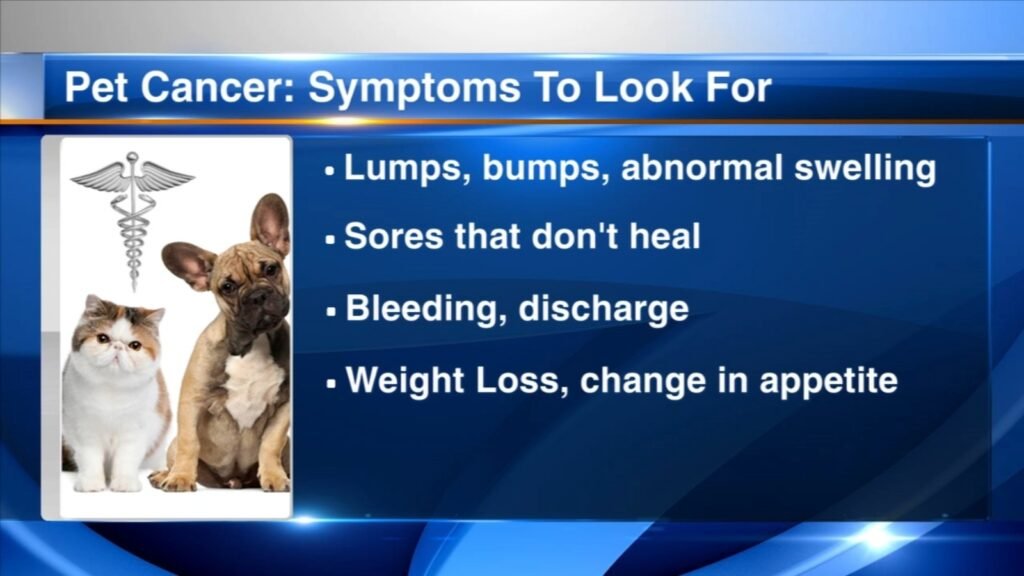
1. New lumps on a cat/dog
For instance, fatty growth may be completely normal when the animals are older, but if the growth is discovered for the first time or if it is new or abnormal in cats and dogs, see a veterinarian. A lump that is hard, firm, and ugly to the touch can be a danger or potentially cancerous. They are also usually lumpy and do not roll about as they would like the bottom tissues, but appear “attached” to them.
What you can do:
Do the monthly maintenance of the neck, armpits, and belly to familiarize yourself with their feel. Know that if the lymph nodes swell and harden, it can be like a pea-sized or walnut-sized bump and may be found underneath the jaw, in front of the shoulders, or right behind the knees. May be seen in pets that have blood cancer (lymphoma).
2. Sudden Weight Loss
If your dog or cat is losing weight and eating the same amount of food they would normally, then there may be a problem with his/her metabolism. Tumors and diseases are very hungry and expend a great deal of energy and nutrients to grow. Loss of appetite, or loss of weight in general, is a very noticeable and early sign of cancer in cats and is often the first sign of kidney disease and/or liver disease in older dogs.
3. Changes in Eating Habits and Stomach Trouble
If a pet eats for one day and then doesn’t eat for the next, we can usually determine that the pet is having some type of trouble by the direction of their attention. When they don’t eat, they are most likely in pain, have nausea, or fever. Vets look for 3 things when they examine stomach cancer symptoms in cats and dogs: They may vomit a lot; they have lost weight quickly, and are very tired.
Mealtime Red Flags
- Feeding behavior is associated with an excessive amount of drooling.
- Dropping food out of the mouth when eating.
- Stalled, pawing at its mouth, and/or walked away from the food bowl.
- Overnight, hard and dry foods are no longer consumed, and wet foods are readily consumed!
4. Continuous Coughing or Changes in Breathing
It’s never okay to simply dismiss your pet’s symptoms if they are sleeping, but breathing is difficult, wheezing, or coughing. A chronic cough may be an indication of heart disease in dogs. The most common symptom of a dog or cat with a tumor in the lungs and/or when the tumor metastasizes to the chest is coughing.
5. Bathroom Accidents and Litter Box Changes
An obstruction, infection, or lump in any part of the bladder, colon, or prostate will completely throw the pet’s bladder habits out of sync. Watch for:
Having trouble going to the bathroom, crying when going to the bathroom, many bowel movements, but few squirts.
- Blood or black blood in their wee or poo.
- Chronic diarrhea or constipation.
- No healing of wounds/sores occurs.
6. Wounds and Sores That Won’t Heal
Certain forms of skin cancer (squamous cells) may begin to resemble a normal bug bite, hot spot, or scratch. Although it is a small sore, if it does not heal in the typical fashion in a week or two, it should be seen by your veterinarian because the tumor cells are blocking your pet’s skin from closing.
Understanding Cat Leukemia Symptoms
There’s one disease that you need to watch for in your cat, Feline Leukemia Virus (FeLV). This virus causes a decrease in the cat’s immune system and damages the bone marrow, making the cat more prone to the dynamic symptoms of cat cancer. When cat leukemia symptoms are detected early, their spread to other cats will be prevented, and they will be protected from it.
Usually, the body of a cat infected with this virus is affected in the following ways:
- Weak Immune System: Frequent urinary tract infections, skin infections, or eye infections that bother the person and do not get better with antibiotics.
- Low Blood Count (anemia): The best time to notice that your cat may have low blood count (anemia) is when you examine their gums – they should be healthy pink, not white or chalky. It will also be an energy-less cat.
- Systemic Wasting: Cats will lose weight, not care about their fur, and have intermittent fever.
What to Expect at the Vet Clinic
If you notice any of these general cat cancer symptoms or the first symptom of feline cancer, or changes in your dog, your veterinarian may conduct a couple of tests to find out exactly what is going on:
- A Full Physical Exam: Your pet’s veterinarian will gently press her belly, run their hands over her joints, and palpate all lymph nodes to see if any pain or swelling is uncovered.
- Fine Needle Test (FNA): To get a small amount of cells from a lump, using a very thin needle. They look at them under the microscope and are right away able to tell if the bump is an infection or a tumor.
- X-rays & Ultrasounds: X-rays of the bones, ultrasounds (use of sound waves): a very detailed view of soft organs.
For cases involving the most advanced medical treatment, your veterinarian may recommend that you go to an AAHA-accredited animal hospital since they will offer 24-hour monitoring and offer the most advanced technologies and facilities.
Available Options for Pet Cancer Care
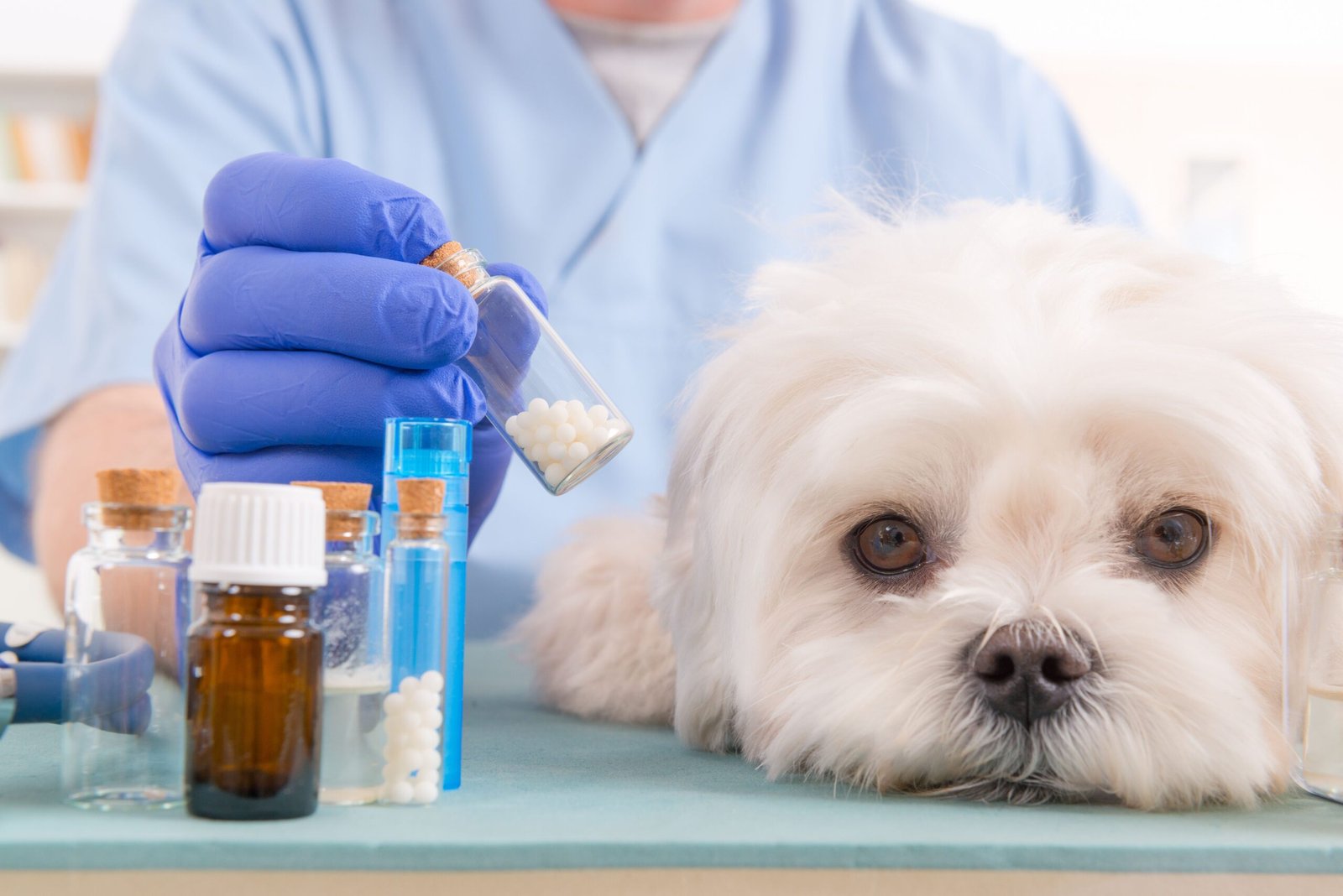
It’s so comforting to know a veterinarian oncologist will work to keep your pet as happy and comfortable as possible, and as pain-free as possible when your pet has a serious diagnosis. Veterinarians use much less medication than a human physician, and pets are well-behaved in taking their medication.
The following is a list of treatments for cancer in cats and dogs:
- Surgical removal: A safe removal method for the removal of a local tumor without spreading it.
- Chemotherapy: Pets have minimal side effects from chemotherapy, do not experience extreme nausea, and will not experience hair loss as humans do.
- Immunotherapy: This is a new type of vaccination for pets and will teach your pets’ immune system to recognize and destroy the harmful cells.
- Cryosurgery: Treatment in which small skin growths on a body part that may be a bother are frozen, with no deep cuts or stitches required.
The best prevention is to have regular check-ups for your senior dog and watch his/her behavior. Here at The Puppy Care, we want to let you know the facts and to be aware of your best friend! Don’t dismiss any signs and symptoms such as a bump, excessive loss of weight, or alterations in bowel or eating patterns if they are noticed, as these could be symptoms of a problem. Talk to your veterinarian about the problem and to get some assurance.
FAQ's
Why do dogs or cats conceal their illness when they are sick?
This is a natural survival instinct. In the wild, animals that appear weak can become easy targets for predators, so they often hide signs of discomfort or disease. This ingrained behavior remains present in our pets, causing them to conceal symptoms until the later stages of illness, whether due to underlying disease, aging, or even toxic exposure as a cause of illness.
My pet has lost weight but still has normal food. What causes this?
This is frequently due to a severe disease and/or an expanding tumor. The disease consumes great amounts of energy, taking supplies of nutrients from the bloodstream, which are needed by healthy tissues.
Why couldn’t it be possible to find out if your veterinarian could just provide a blood test?
Blood work is a very good indicator of the overall condition of the organs, but is not sought for the detection of a solid tumor. To diagnose nuisance internal diseases, advanced visual staging tools are used, such as digital X-rays and ultrasounds.
Fine Needle Aspirate (FNA): What is it and does it hurt the animal?
FNA is a rapid test that involves a veterinarian inserting a very fine needle into a lump, which “takes” cells. It’s just like any other vaccination shot; if there’s an infection or a tumor, it will tell the vet.
What medications are commonly used in cancer and illness treatment for pets?
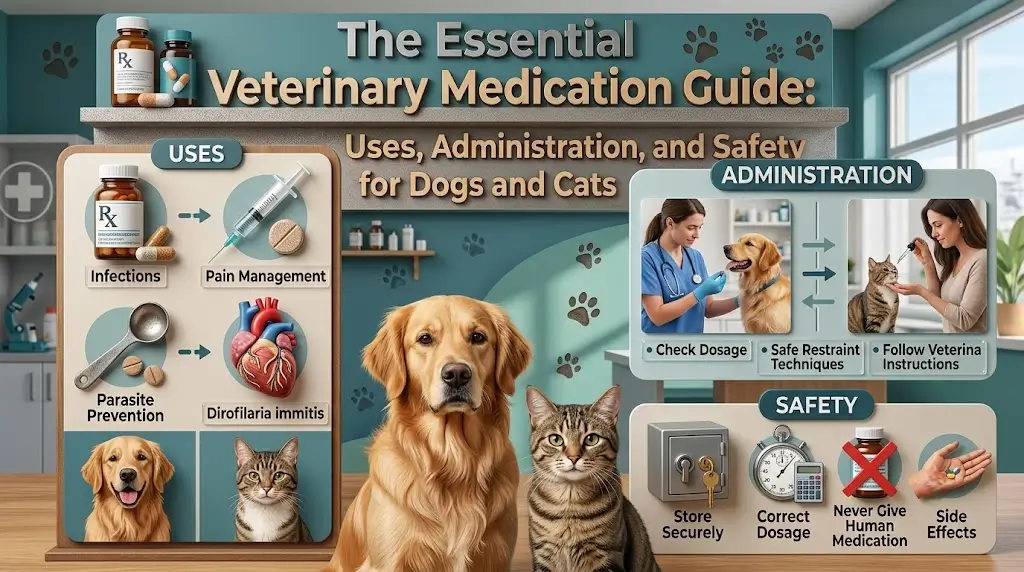
Medications used in cancer and illness treatment vary depending on the condition but may include chemotherapy drugs, pain relievers, anti-inflammatory medications, antibiotics, immune-support therapies, and targeted treatments prescribed by a veterinarian to improve comfort, manage symptoms, and support recovery.