The Essential Veterinary Medication Guide
Share Now
latest Post
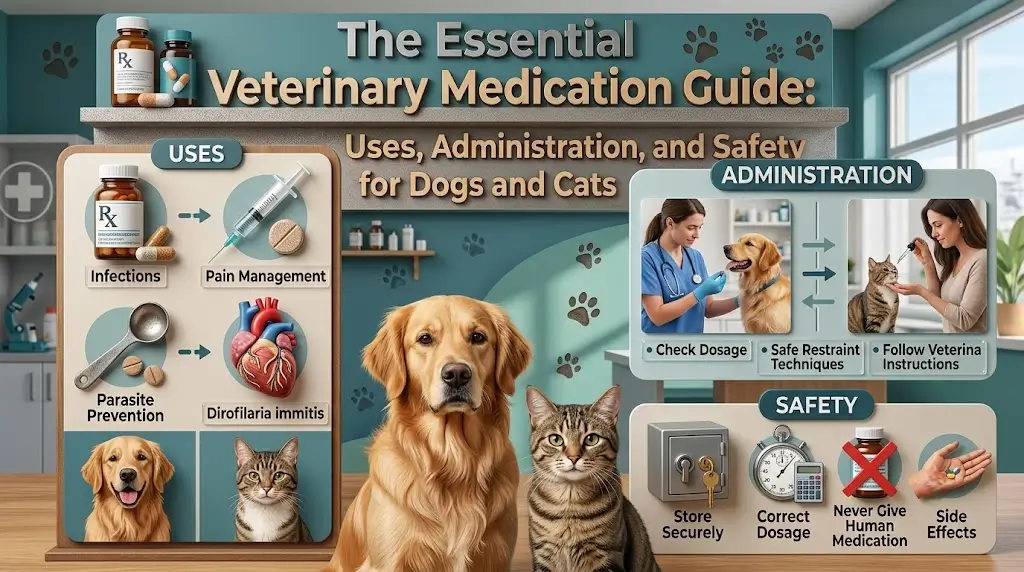
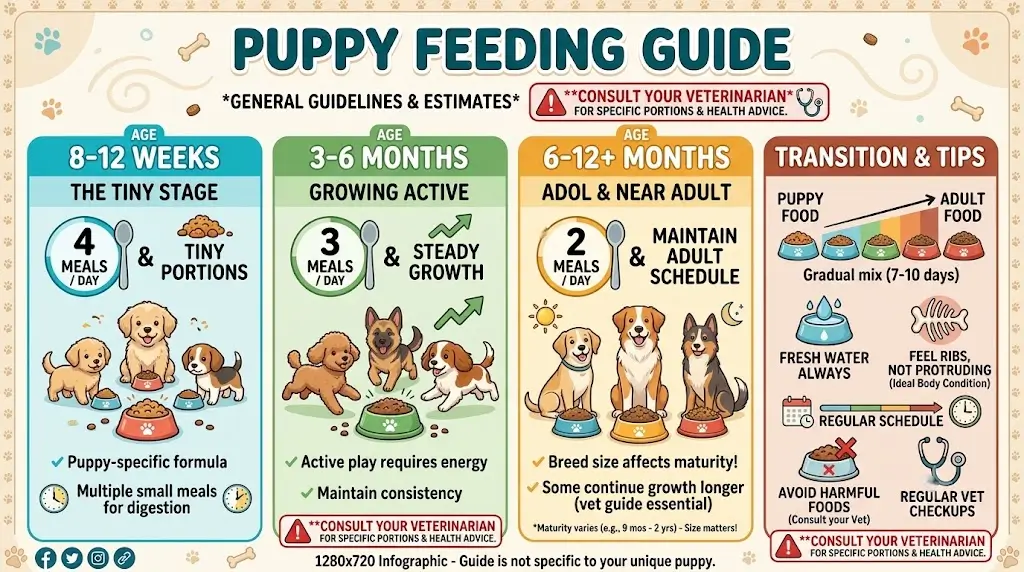
When your loyal dog or cat needs medicine, it can be hard to come to terms with it as a pet parent. It’s important to know what these veterinary medications are for, how they’re given, and what potential side effects they may have, to help your pet on the road to a speedy recovery in a safe way. This is a thorough report from The Puppy Care about the minimum requirements for the health of your pet that your prescription must meet.
The Puppy Care Guide for pet medication is information only and is a very important safety notice. The metabolism is different for each pet, and safe dosages will depend on such things as breed, actual weight, medical conditions, and other medications that the pet might be taking. Never administer any prescription drug to a pet without a diagnosis or prescription from your licensed veterinarian.
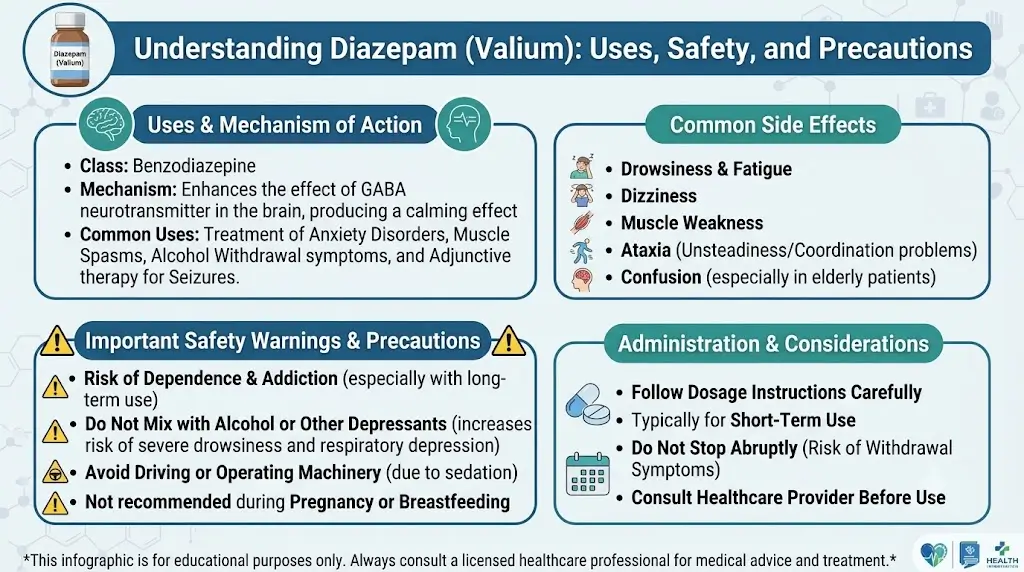
1. Diazepam (Valium)
Clinical Uses
In veterinary medicine, Diazepam is mainly known as a first-line drug for emergency seizure termination of severe active seizures (status epilepticus). It is also used by vets for emergencies when a cat’s seizures are out of control, as a short-term sedative for very anxious cats in situations such as fireworks shows, and as an appetite stimulant for ill or recuperating cats.
How to Use & Administration Strategy
- Emergency Seizure Scenarios: Diazepam has been used at home to stop a cluster of seizures, and it is most administered as a gel, using a lubricated applicator, into the rectum. If the animal is unconscious or acts out, it will not be able to swallow the tablet safely.
- In-Clinic Settings: Diazepam will typically be administered intravenously (IV), in your vein, to be ready for use on the spot.
- Oral Administration: If your vet prescribes it for behavior problems or to stimulate your appetite, it must be administered at regular times as directed. Don’t suddenly stop giving this product if your pet has been taking it for some time, because they may experience withdrawal anxiety or seizures.
Dosage Principles
Doses are exponentially different depending on whether it is used as a high-dose short-acting emergency intervention or a lower-dose sedative. Due to the metabolic differences of cats, the lowest possible limits and the greatest restriction in feline oral dosing are warranted.
Specific Safety Milestones & Side Effects
- Side effects: Drowsiness, wobbling or loss of motor coordination (ataxia) for a few hours after taking it, or it may make them feel a little excited or agitated when it happens.
- Feline Specific Warning: Liver necrosis (scarring) can occur and is a rare, but well-documented side effect of chronic (long-term) use of oral Diazepam in cats. This is an acute (sudden) and life-threatening liver necrosis. Cats that are taking oral Diazepam should have regular liver panels done for liver enzymes; it is essential.
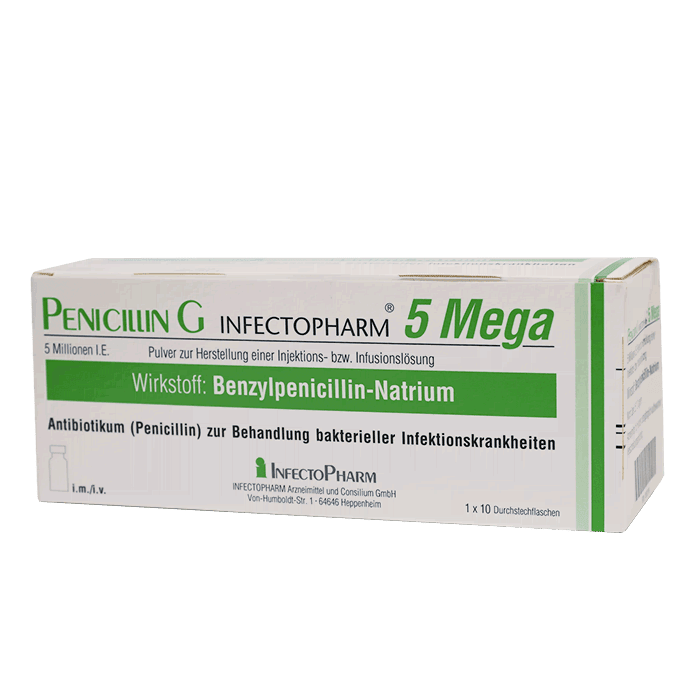
2. Penicillin G
Clinical Uses
Penicillin G is a strong antibiotic that is used to treat severe infections with bacteria that are sensitive to it. It is used to treat severe tissue abscesses, deep puncture wounds, systemic infections, and some serious infections of the respiratory tract.
How to Use & Administration Strategy
- Injectable Technique Only: The stomach acid can break penicillin G into an ineffective product, so it cannot be effectively taken orally as a pill. Must be given under the skin (subcutaneous – SQ) or into the muscle (intramuscular – IM).
- Handling: Injectable Penicillin G suspension should be kept in the refrigerator unless otherwise indicated by the manufacturer. Gently roll the vial between your palms before making up the dose; do not shake the vial violently.
- Rotational Sites: For home injection, alternate the site of injection slightly so as to reduce muscle soreness or tissue irritation at the injection site.
Dosage Principles
This is supplied in a suspension to be injected; the dosage interval needs to be carefully controlled and not skipped so that the blood serum level is not allowed to drop below the minimum inhibitory level required to eradicate the infection.
Specific Safety Milestones & Side Effects
- Common side effects: An injection site reaction (mild soreness at the injection site) and upset stomach, including nausea, vomiting, diarrhea, and loss of appetite.
- Pets’ safety: It is important that treatment is given for the full period as prescribed so that your pet will not develop resistance to the antibiotic. Keep a close eye for allergic reaction, which may include swelling of the face, hives, or immediate onset of trouble breathing.
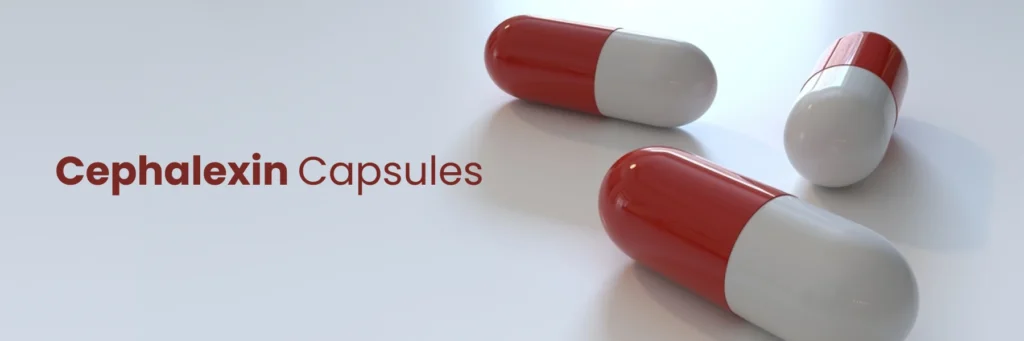
3. Cephalexin
Clinical Uses
Cephalexin is a mainstay in veterinary dermatology. Very effective and is commonly used in dogs and cats for Bacterial skin infections (Superficial and deep pyoderma), infected hot spots, wounds, and Acute urinary tract infection (UTI).
How to Use & Administration Strategy
- Pair with a Meal: When taken with meals, Cephalexin is very likely to irritate the stomach. Feed your pet a small portion of their regular meal or offer an extremely tasty treat to make it easier for them to eat, rather than spit it up.
- Keep Capsules Intact for Felines: Capsules Intact are capsules that are whole or a liquid suspension form of the exact amount. Never put the dry powder into their food from the capsule, since Cephalexin is bitter, and will cause your pet to salivate a lot and may refuse to eat it.
- Antibiotic Level: If your pet is given twice daily, make sure that the level of the antibiotic is maintained in your pet system (such as every 12 hours).
Dosage Principles
A drug administered orally (by mouth) and according to weight, typically administered 2-3 times a day. Always given with food, as this will increase safety and absorption.
Side Effects & Specific Safety Milestones
- Side effects: minor vomiting, soft stools/diarrhea (if tasted), and drooling (salivation).
- Safety Protocol: If the diarrhea is mild, but becomes diarrhea with watery and/or bloody stools, discontinue the medicine, call the veterinarian immediately, and the diarrhea may be a symptom of a serious disruption of the good bacteria in the gut.
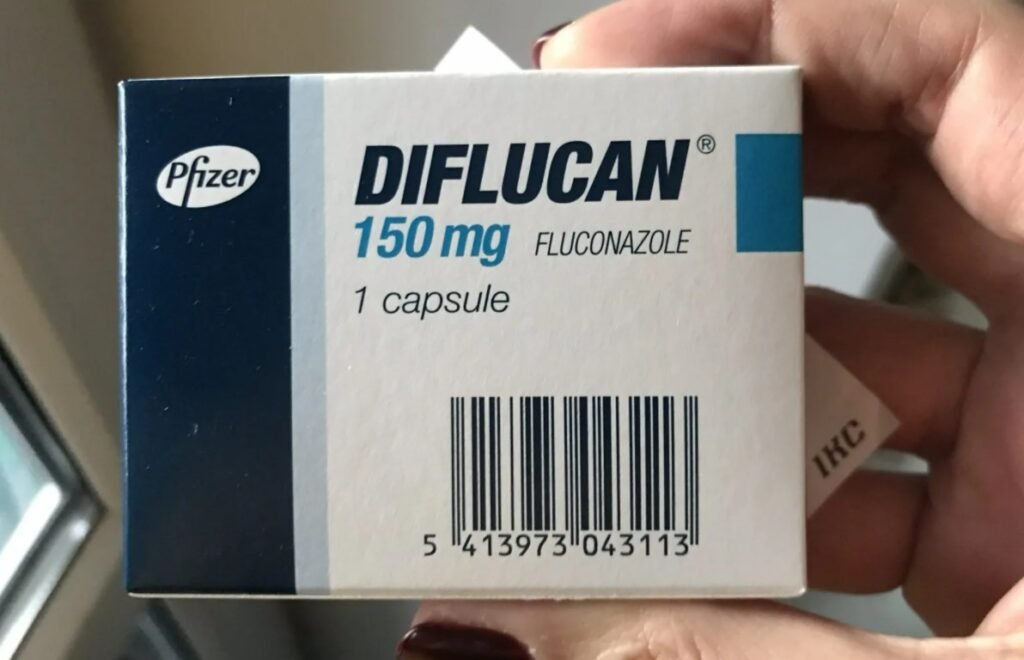
4. Diflucan (Fluconazole)
Clinical Uses
Diflucan is a high-quality systemic anti-fungal drug. Vets use it to treat chronic fungal infections, from the more common superficial ones, such as ringworm (dermatophytosis) and yeast dermatitis (Malassezia dermatitis), to the more serious deep systemic ones like blastomycosis, histoplasmosis, and cryptococcosis (often affecting a cat’s nasal and central nervous system passages).
How to Use & Administration Strategy
- Flexible with Food: Diflucan is highly bioavailable; use can be either with or without food. It is suggested to administer a small meal if your pet becomes nauseated after taking a dose.
- Liquid Suspension Accuracy: When using the liquid suspension form, for smaller pets or cats, shake the bottle well before each use and use the oral syringe provided by the veterinarian to ensure an accurate dosage.
- Absolute Compliance: Fungal infections are very hard to get rid of. Typically, treatment is given over a period of weeks or months. The drug needs to be used for the whole time given, even after the fungus has disappeared from the body.
Dosage Principles
This compound is highly bioavailable upon oral administration and crosses the blood-brain barrier easily. Your vet will carefully adjust the dosage to ensure that enough treatment goes to the deep-seated fungi, but the correct amount that your liver can handle.
Specific Safety Milestones & Side Effects
- Side effects: Loss of appetite, slight vomiting, diarrhea, and lethargy.
- Safety Protocol: Your veterinarian may wish to perform some baseline tests before your dog’s treatment and continue blood panels to ensure that the liver enzymes remain entirely safe while your dog is on long-term treatment with Fluconazole, because it is metabolized in the liver.
5. Vitamin B12 (Cyanocobalamin)
Clinical Uses
It is not a prescription medicine, but it’s certainly extremely important for ill pets as a therapy, Vitamin B12. Occasionally, animals with a long-standing gastrointestinal disorder (Exocrine Pancreatic Insufficiency (EPI), Inflammatory Bowel Disease (IBD), profound intestinal malabsorption, chronic kidney disease, or other conditions) are unable to digest nutrients properly and soon run out of their body’s supply of cobalamin. B12 supplements replenish natural energy, assist the metabolic process, and directly assist in red blood cell production.
How to Use & Administration Strategy
- Subcutaneous (SQ) Injection is Best: A sick pet’s gastrointestinal tract may be structurally damaged and have a decreased ability to absorb oral vitamins, making this the best method for admin.
- Correct Administration Procedure: Gently lift the loose skin to create a “tent,” insert the fine-gauge needle at the bottom of the “tent” parallel to the pet’s body, move the plunger back slightly to check that no blood flows into the syringe, and push the plunger down steadily.
- Frequency Protocols: The frequency of administering the medication is usually on a decreasing schedule of administration (e.g., weekly for 4 – 6 weeks, followed by bi-weekly or monthly injections based on follow-up blood levels).
Dosage Principles
Given a dose regimen to completely bypass the damaged gut. It is water-soluble and will be excreted safely via the kidneys and will not be poisonous if taken by mistake.
Side Effects & Specific Safety Milestones
- Common Side Effects: There are practically no side effects. This is a very safe treatment: The B12 is totally water-soluble, and unabsorbed B12 is excreted in the pet’s urine. In some cases, it may be slightly stinging or a bit uncomfortable at the injection site, but this will go away.
Clinical Comparison Matrix: Quick Reference
|
Medication Name |
Main Purpose / Indication |
Preferred Administration Route |
Critical Takeaway for Pet Owners |
|
Diazepam (Valium) |
Emergency Seizures / Acute Phobias |
IV / Rectal / Oral |
Use extreme caution in felines; oral use links to liver failure risks. |
|
Penicillin G |
Deep Systemic Bacterial Infections |
Injection Only (IM / SQ) |
Complete the whole course. Roll vial smoothly to mix before drawing dose. |
|
Cephalexin |
Bacterial Skin, Wound & Urine Infections |
Oral (Capsule / Liquid) |
Always give with food to minimize immediate vomiting and stomach irritation. |
|
Diflucan (Fluconazole) |
Superficial & Deep Fungal Infections |
Oral |
Highly effective for nerve/nasal fungus; requires periodic liver enzyme checkups. |
|
Vitamin B12 |
GI Malabsorption, EPI, Illness Support |
Subcutaneous Injection |
Safest supplement on the list; completely bypasses a damaged gut to boost energy. |
What to Do in a Medication Emergency?
If your dog or cat has taken an overdose of any medicine or is showing signs and symptoms of an acute drug allergy (such as difficulty breathing, collapse, pale or brick-red gums, or chronic vomiting):
- Remove the Threat: Secure the container of medication right away.
- Get the facts: Find out from the bottle what the exact strength, in milligrams (mg), is, and a rough estimate of how many pills or how much liquid was taken.
- Get veterinary care right away: Your local veterinarian’s office or emergency animal veterinarian is on hand to help you right away. Call a pet poisoning hotline for advice, or alternatively, call a specialist for advice.
- Do Not Induce Vomiting at Home: Unless directed to do so by your veterinarian or veterinary toxicologist. There is a possibility of secondary chemical burns to the esophagus if some chemicals are pushed back into the esophagus.
FAQ's
What if I forget to give my pet his/her medicine that is scheduled for them?
Do it right away, but if the dose is close, don’t give the double dose; just skip the dose.
When calling a pet poison hotline, what info do I need to have available?
Be prepared to talk about the exact drug name, milligram strength, how much your pet took in, and your pet’s weight.
Can I give my pet medicine such as Valium and/or Advil?
Human medicines may be toxic to pets because of the different metabolic processes in them. The body chemistry of pets differs from that of humans, and this can cause human medicines to be toxic.
Why should my pet take all his/her antibiotic treatment if he/she appears to be getting better?
There is enough time for the bacteria to mutate, and then, a more virulent infection is resistant to antibiotics later.
My dog vomits right after taking him Cephalexin. What can I do to avoid this?
It is important to always be given a full meal or after a full meal to prevent stomach upset.